Storm and Flash Flood Cleanup in East Elmhurst, NY
A summer cloudburst or a tropical storm can drop more rain than Queens streets and sewers can carry. The flood crew treats that water as contaminated, removes what it touched and dries the house back to a measured goal.
(888) 527-9860Get the floodwater out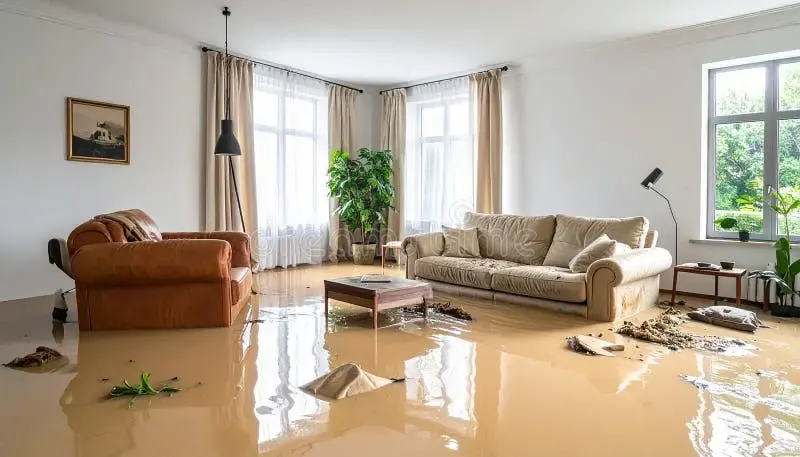
East Elmhurst sits on low ground beside Flushing Bay and LaGuardia Airport. In the heaviest storms, water arrives from the street, from overwhelmed sewers and, near the bay, from the water itself, and it carries whatever it picked up on the way.
- Moisture mapping comes before any equipment goes down.
- The water category and the class of loss set what is removed and what is dried.
- Equipment stays until readings sit within 2 to 4 points of a dry reference.
What does storm and flash flood cleanup cost in East Elmhurst, NY?
In East Elmhurst, NY, storm and flash flood cleanup typically runs $2,500 to $40,000, depending on how high the water rose, how many rooms and floors it reached, how much mud came in and how quickly cleanup started.
Shallow water, one area
- Extraction and mud removal
- Antimicrobial
- Drying
Basement or full floor
- Flood cuts and insulation out
- Contents moved
- Desiccant drying
Deep flood, several floors
- Full Category 3 tear-out
- Containment
- Extended structural drying
Ranges are typical, not a quote: category of water, square footage, material class and how fast drying started move the number most. Run the East Elmhurst water damage cost calculator for a closer range.
How storm and flash flood cleanup is handled in East Elmhurst
The tech who does the walkthrough maps moisture before any equipment goes down, so the drying plan matches what is actually wet. Equipment stays until the readings say dry, not until it looks dry.
- 1
Safety check
The crew confirms power is off and checks for structural and electrical hazards.
- 2
Extract and muck out
Floodwater, mud and debris come out with pumps, extractors and shovels.
- 3
Remove and treat
Porous materials the flood touched are removed, and surfaces are treated.
- 4
Dry to the goal
Equipment runs until walls, floors and framing read dry.
The storms that flood East Elmhurst
On September 1, 2021, the remnants of Hurricane Ida dropped record rain on New York City and filled basements and basement apartments across Queens. In October 2012, Hurricane Sandy's surge pushed Flushing Bay over LaGuardia's runways. Summer cloudbursts do smaller versions of the same thing several times a year.
- Street runoff entering through areaway doors, garages and basement windows.
- Combined-sewer backups rising through floor drains at the same time.
- Wind-driven rain through roofs, parapets and window frames on upper floors.
Why floodwater is Category 3
Floodwater mixes street runoff, soil and often sewage, so it is Category 3 no matter how clear it looks. The crew works in protective gear, removes porous materials the water touched and applies an EPA-registered antimicrobial before drying. Drywall gets a flood cut above the high-water mark, and insulation behind it comes out.
- Mud and silt shoveled and extracted before cleaning.
- Contents that can be cleaned are moved out of the wet zone and documented.
- Drying runs on readings, with desiccants for brick, block and plaster.
Flood coverage and preparation
Standard homeowners policies usually exclude surface flooding; flood coverage comes through the National Flood Insurance Program or a private flood policy. Watches and warnings for Queens come from the National Weather Service in New York, and storm preparation steps are listed at Ready.gov.
See basement flooding cleanup and sewer backup cleanup when the water came up from below.
Storm and flash flood cleanup across East Elmhurst and northern Queens
The East Elmhurst restoration crew covers ZIP 11369 and 11370, from Ditmars Boulevard and the Flushing Bay Promenade down through Astoria Boulevard, 94th Street and North Corona.
Nearby coverage reaches Jackson Heights, Corona, Flushing, College Point, Astoria.
See every East Elmhurst street area and nearby neighborhood covered
Related water damage services in East Elmhurst
Storm and Flash Flood Cleanup questions in East Elmhurst, NY
Is storm floodwater really that dirty?
Yes. It mixes street runoff, soil and often sewage from overwhelmed sewers. It is treated as Category 3 even when it looks clear.
Does homeowners insurance cover flooding?
Surface flooding is usually excluded and needs flood insurance through the NFIP or a private carrier. Coverage depends on your policy, so check with your own insurer.
How high is a flood cut made?
Above the highest point the water or the wicking reached, as measured with meters. Commonly that is 12 inches or more above the high-water mark.
Can furniture be saved?
Solid wood and metal pieces can often be cleaned and dried. Upholstered furniture and mattresses soaked by floodwater are usually discarded.
How long does drying take after a flood?
Five to ten days is common once the water and wet materials are out. Brick, plaster and block can take longer.
Should I run fans right away?
Not over floodwater residue. Contaminated materials come out and surfaces are treated first, so fans do not spread contamination.
Flooded after the storm? Get the muck-out started.
The flood crew removes the water and what it ruined, treats the surfaces and dries the structure to a verified reading.