Water Damage Restoration Jackson Heights, NY
Jackson Heights water damage restoration at any hour. The restoration team pulls water out of apartments and cellars, dries brick, plaster and parquet to the IICRC S500 standard and records every step for your claim.
(888) 527-9860Water coming in? Call Jackson HeightsZIP 11372, 11370 and 11369, plus East Elmhurst, North Corona and Astoria.
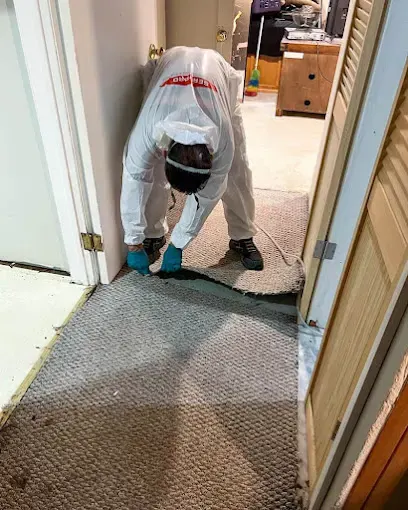
Water in a Jackson Heights apartment? Start here
- 1
Close the valve
Shut the fixture valve or ask the building super to close the riser or the main.
- 2
Power off wet rooms
Switch off breakers for wet rooms only if the panel is dry and safe.
- 3
Warn the neighbors below
Water in stacked units travels down fast; knock on the door under yours.
- 4
Photograph the damage
Capture the water, the stains and any ceiling bulge on your phone before moving things.
- 5
Lift, then call
Carry rugs, documents and electronics to a dry room. Mold can begin within 24 to 48 hours.
Water Damage Restoration Services in Jackson Heights, NY
Stacked co-op units, brick garden apartments and a combined sewer shape most Jackson Heights losses. Each service below follows the source and the water category.
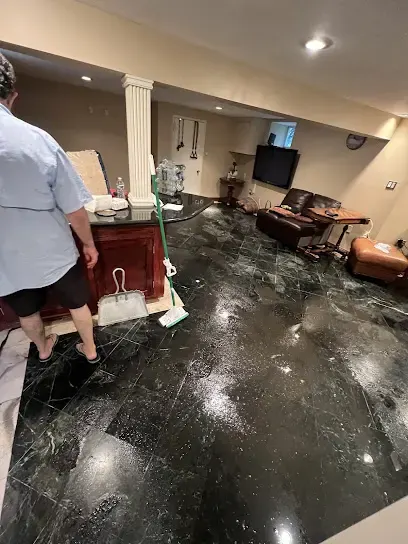
Water Extraction and Removal
Standing water pulled from apartments and lobbies before it reaches the unit below or the next wall.
See details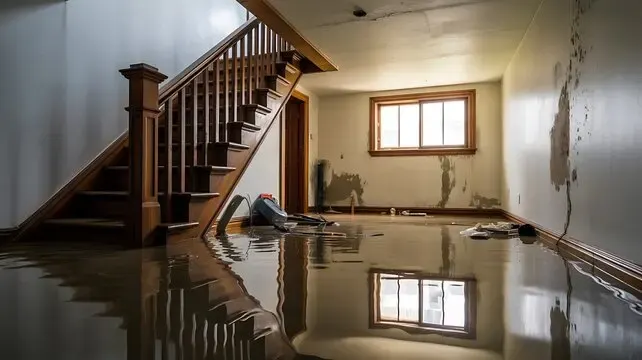
Basement Flooding Cleanup
Cellars and ground-floor rooms pumped out after cloudbursts, then dried to a measured reading.
See details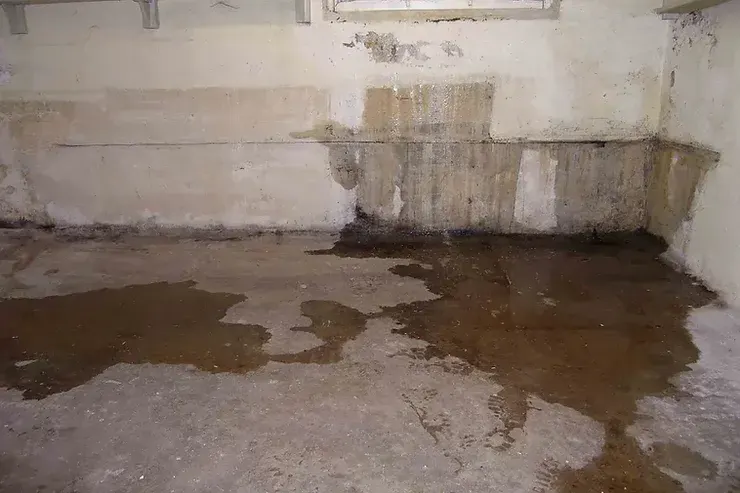
Sewer Backup Cleanup
Combined-sewer backups through floor drains handled as Category 3, with contaminated materials removed.
See details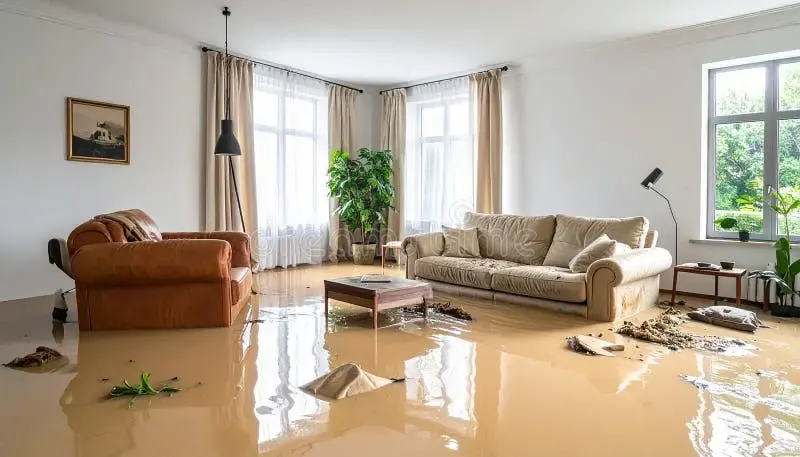
Storm and Flash Flood Cleanup
Storm water from overloaded streets and sewers treated as contaminated, removed and dried.
See details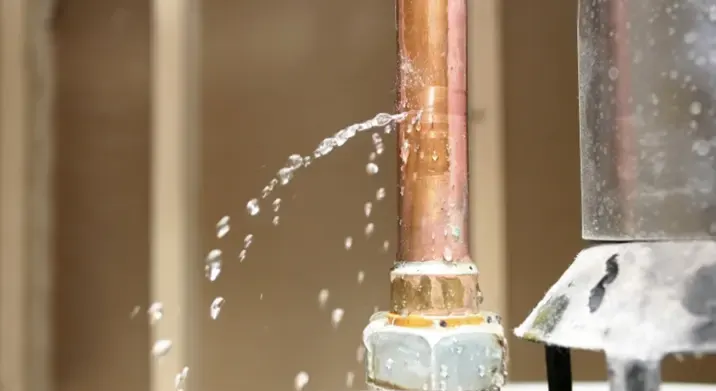
Burst Pipe Water Damage
Old galvanized supply pipe failures extracted and dried inside plaster walls and floors.
See details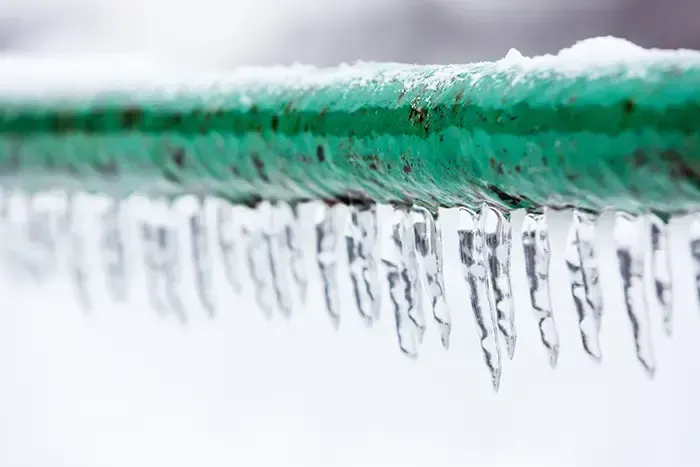
Frozen Pipe Cleanup
Cold-wave pipe splits on exterior walls traced, extracted and dried before plaster gives.
See details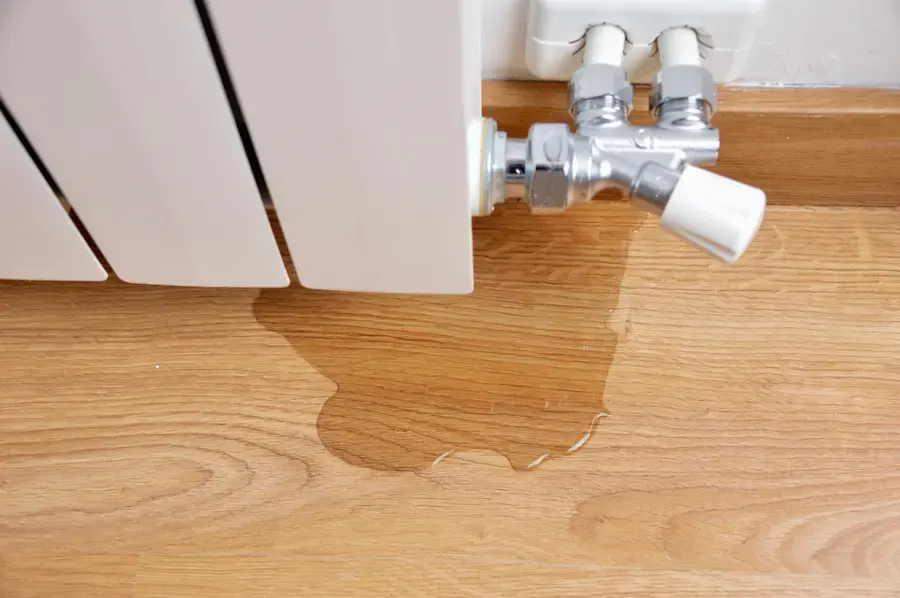
Boiler and Radiator Leak Water Damage
Radiator valve and heating pipe leaks dried out of parquet floors and ceilings below.
See details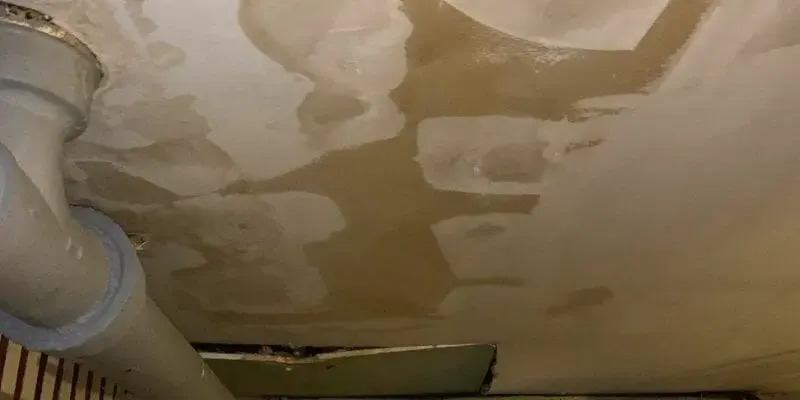
Ceiling Leak Water Damage
Leaks from the apartment above traced through stacked units, ceilings opened only where wet.
See details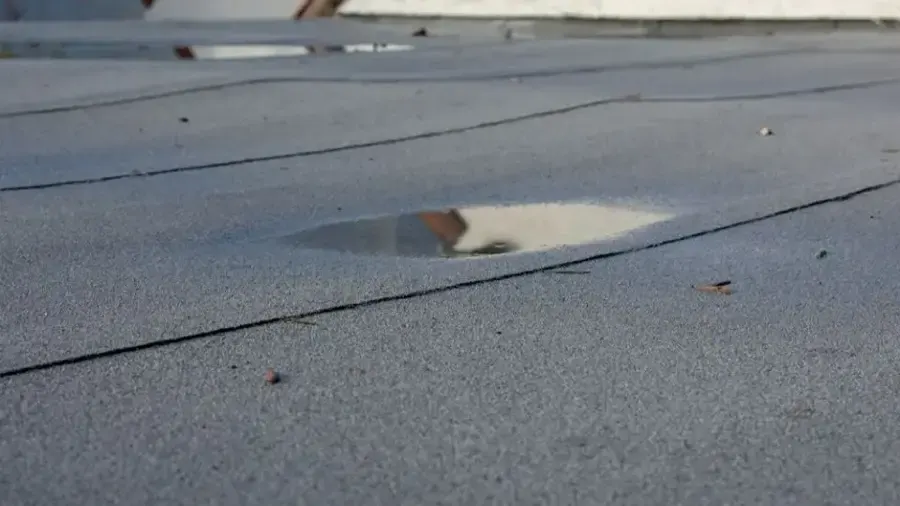
Flat Roof Leak Water Damage
Roof water dried out of top-floor ceilings and walls in older brick walk-ups.
See details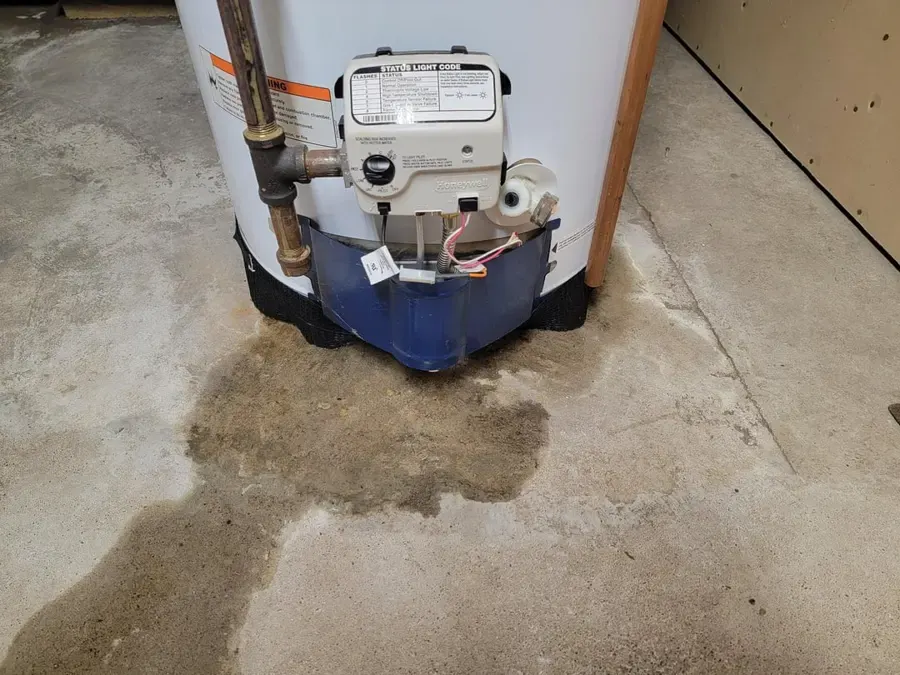
Water Heater Leak Cleanup
Heater failures that spread into neighboring units extracted and the shared walls dried.
See details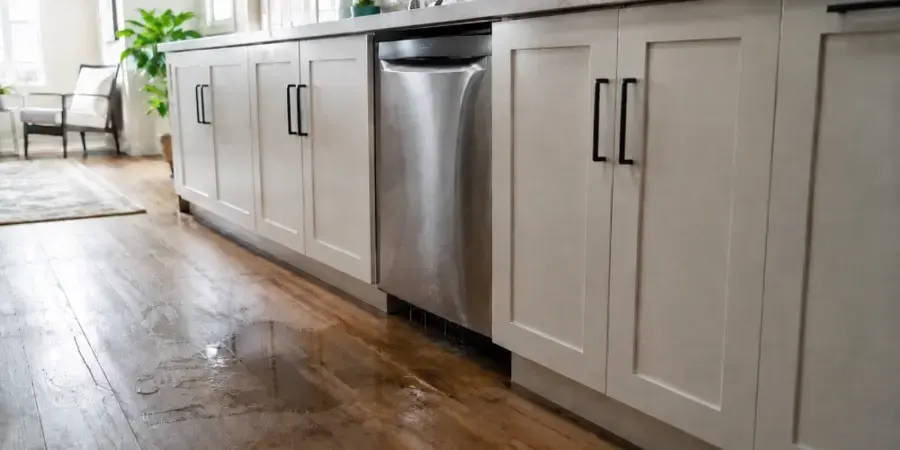
Appliance Leak Water Damage
Washer and dishwasher leaks in rented apartments dried before they soak the neighbors below.
See details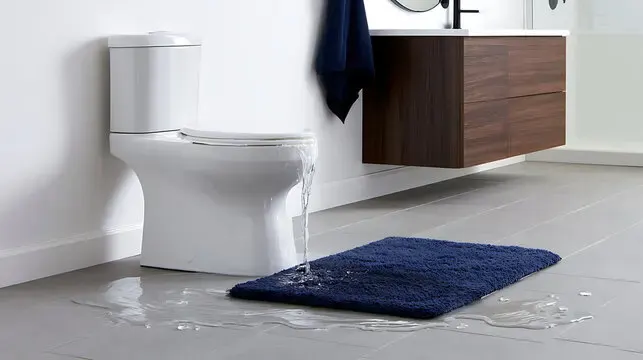
Toilet Overflow Cleanup
Bathroom overflows cleaned by category, with the floor and the ceiling below checked.
See details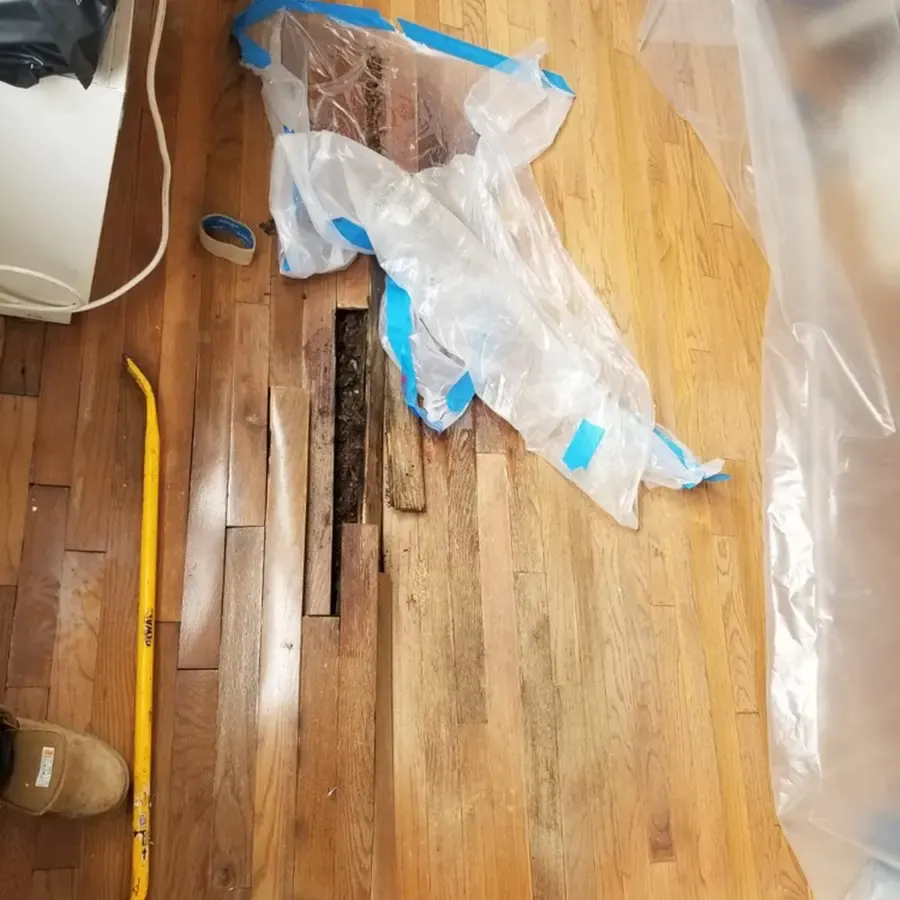
Structural Drying and Dehumidification
Prewar brick, plaster and parquet dried until readings sit 2 to 4 points from dry.
See details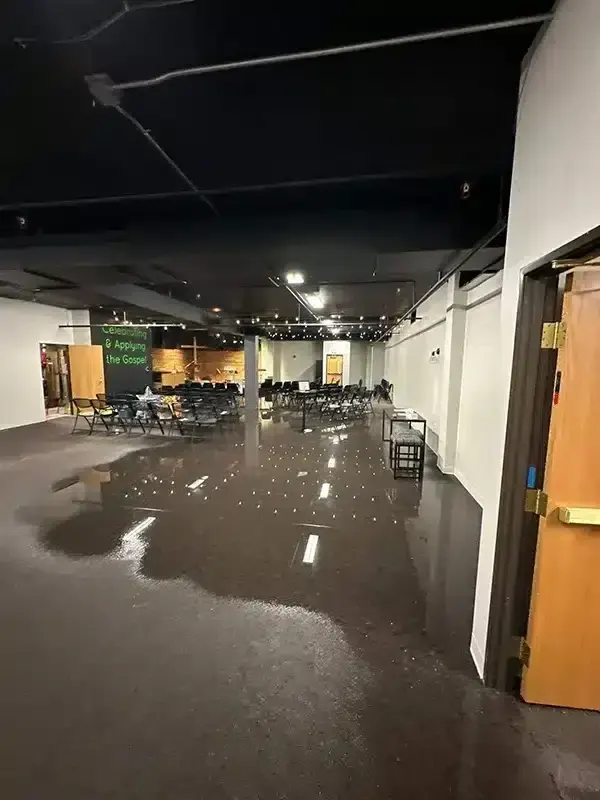
Commercial Water Damage
Shops and restaurants on 37th Avenue, 74th Street and Roosevelt Avenue dried in phases.
See detailsWater damage dried to the IICRC S500 standard
In a brick building with shared walls, water hides in the unit next door and the ceiling below. The equipment stays until readings across every affected unit say dry, not until a room looks dry.
- 1
Moisture mapping first
The tech who does the walkthrough checks the wet apartment, the units beside and below it and the cellar with meters and thermal imaging.
- 2
Extraction
Truck-mounted units and portable extractors carried up the stairs of walk-ups remove the water so it stops moving into the next apartment.
- 3
Air movers and dehumidifiers
Each room gets air movers and dehumidifiers matched to its class of loss; old parquet, plaster and brick often call for desiccant units.
- 4
Daily readings to the goal
Readings are taken every day in each affected apartment, and equipment leaves only when materials sit 2 to 4 points from a dry reference.
What does water damage restoration cost in Jackson Heights, NY?
Most Jackson Heights water losses land between $1,200 and $30,000. A clean leak inside one apartment sits near the bottom; a sewer backup in the cellar or water through several stacked units sits near the top. Category, square footage, materials and drying start set the number.
One apartment, clean water
- One or two rooms
- Drying in place
- Daily moisture readings
Cellar or stacked units
- Ceilings below opened
- Plaster and parquet drying
- Claim documentation
Sewer backup or storm water
- Category 3 removal
- Containment and HEPA
- Extended structural drying
Typical ranges, not quotes. The water damage cost calculator and the drying time estimator give a closer read for a Jackson Heights home.
All water damage categories covered in Jackson Heights, NY
Category 1: clean water
Supply pipes, risers and radiators. Caught early, plaster and parquet often dry in place.
Burst pipe water damageCategory 2: gray water
Laundry and dishwasher water or a bowl overflow without waste. Carpet pad goes, and floors and walls get an antimicrobial.
Toilet overflow cleanupCategory 3: black water
Sewer backups through cellar drains and storm water. What it touched is removed, not dried.
Sewer backup cleanup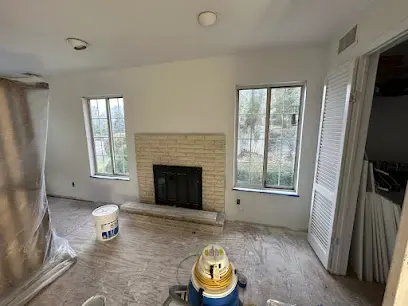
How the Jackson Heights restoration crew handles a water loss
A leak in a Jackson Heights garden apartment rarely stays in one unit. It runs through floors, risers and shared brick walls, so the restoration team checks the neighbors and works from readings.
Rapid local response
Dispatch runs day and night, and water moving through a Jackson Heights building gets urgent treatment whatever the hour.
IICRC S500 drying standard
The whole assembly is dried, framing, plaster and subfloor included, with equipment matched to the class of loss.
Claim-ready documentation
Moisture maps, daily psychrometric logs and timestamped photos for owners, boards and tenants.
Co-op and building know-how
Supers, boards and neighboring units are part of most Jackson Heights water losses.
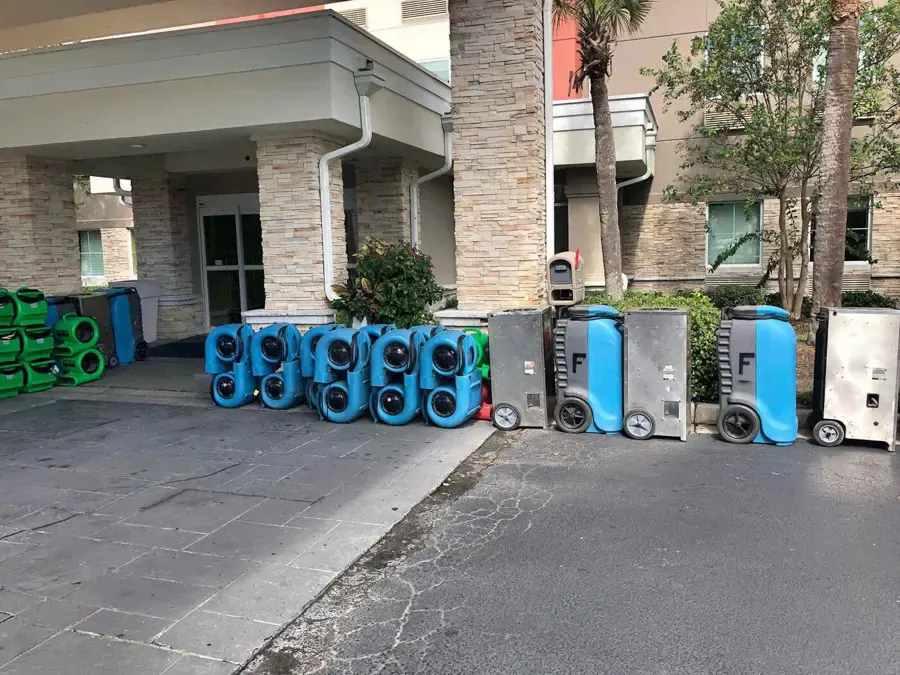
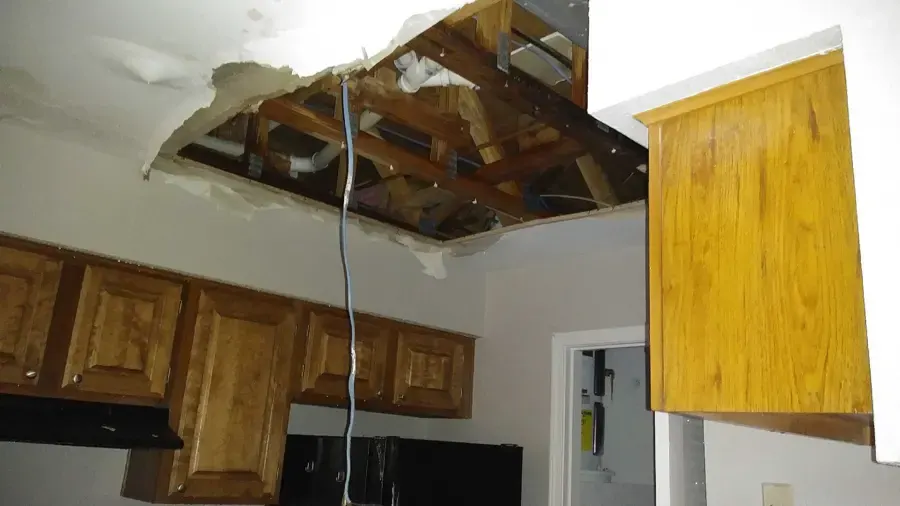
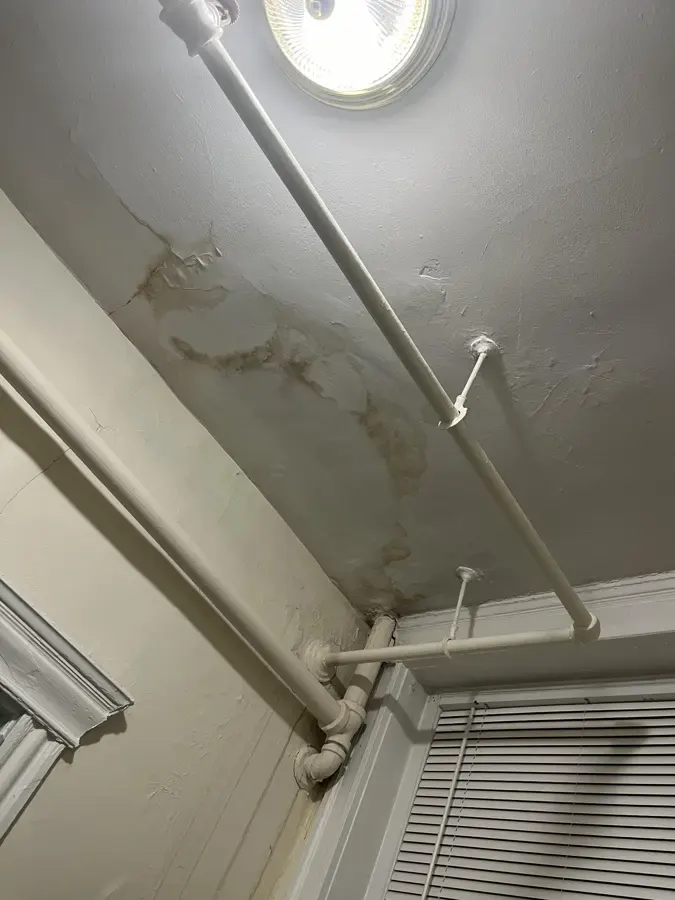
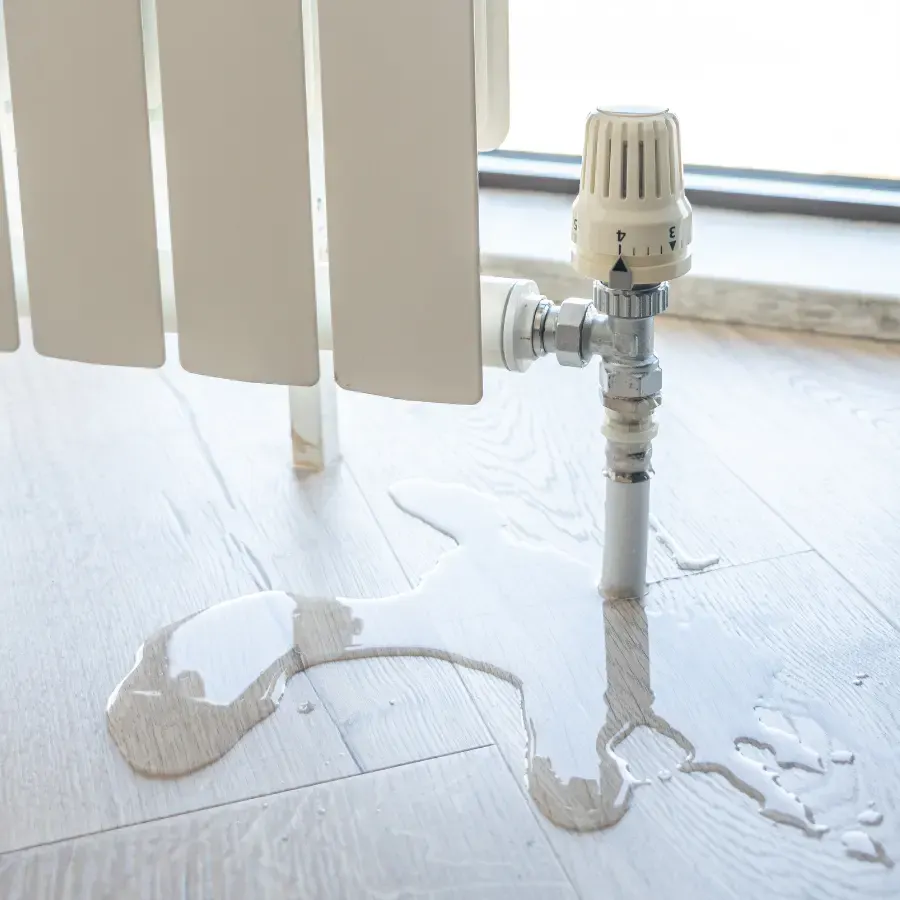
What a water damage dry-out looks like in Jackson Heights
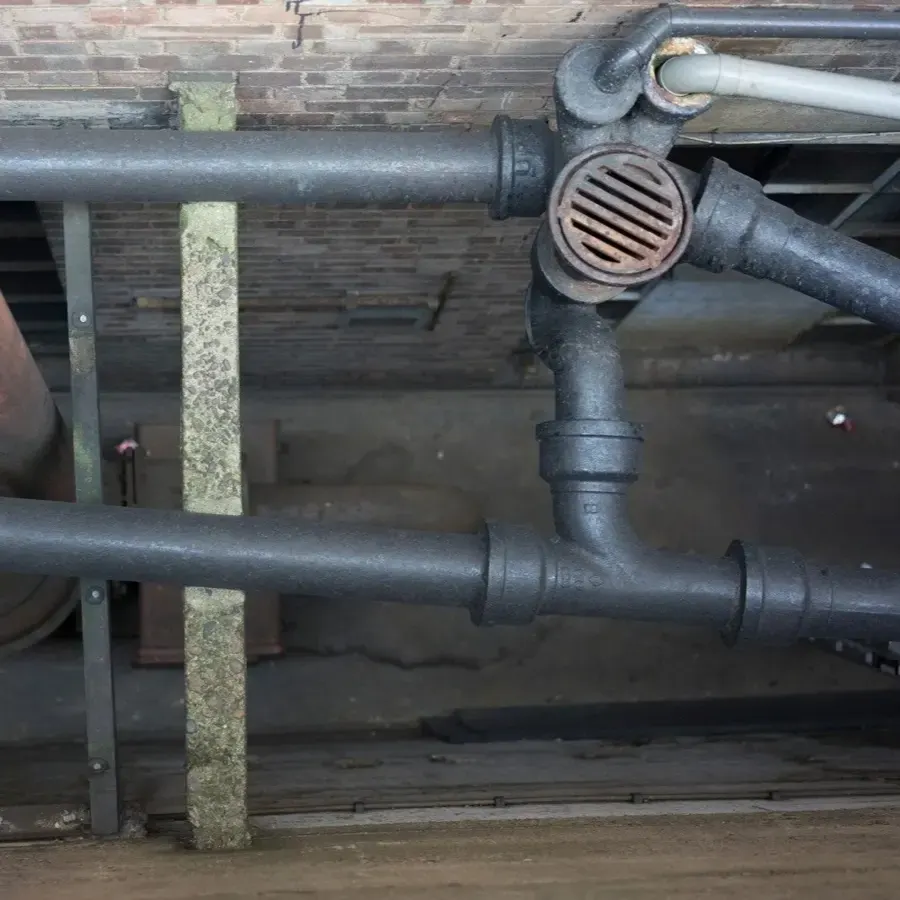
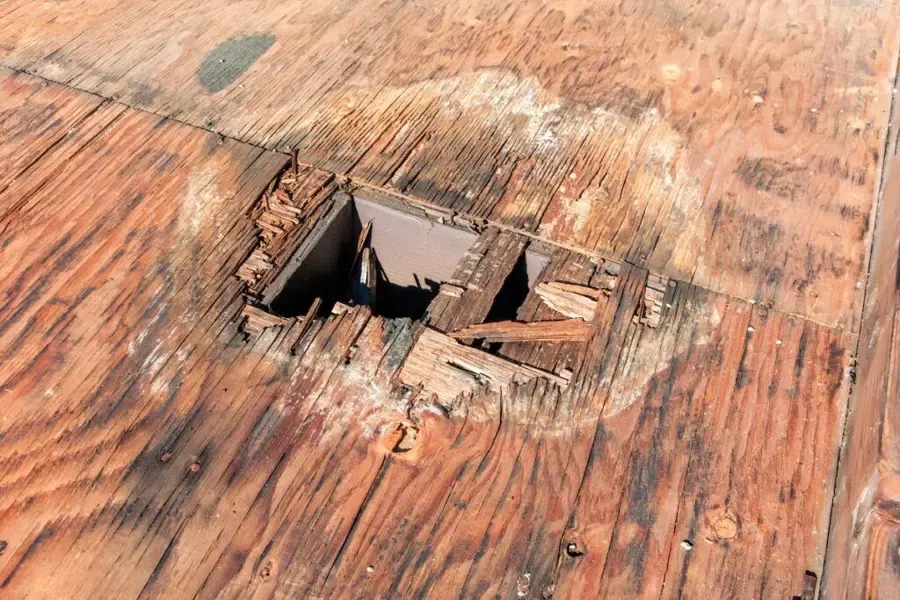
Documentation for your insurance claim
In a co-op or rental building, several policies can be involved. A complete Jackson Heights claim file gives each of them the same record.
- A first-visit moisture map that covers every unit the water reached
- Day-by-day psychrometric logs and material readings up to the drying goal
- Photos with timestamps, taken before anything is torn out
- The category and class of the loss, which decide what stays and what goes
- A line-item scope written the way adjusters read it
Check your own policy
A burst pipe is usually sudden and accidental; storm water rising from outside falls under flood coverage. A sewer backup often needs its own endorsement.
What is covered comes down to your own policy and, for a co-op, the building's policy as well, so it pays to ask your insurer directly. The restoration contractor who responds can explain which records come with the job.
Water damage restoration across Jackson Heights and Queens
Jackson Heights streets and areas
ZIP codes
Nearby areas
Water damage in Jackson Heights, NY: the local risk profile
Jackson Heights was a marsh called Trains Meadow until 1909. The Queensboro Corporation filled it and built brick garden apartments and walk-ups, and more than 200 of those buildings still stand.

September 1, 2021: the remnants of Hurricane Ida set a New York City record of 3.15 inches of rain in one hour, and Jackson Heights streets flooded as the sewers overflowed.
- Combined sewer: Storm water and sewage share one pipe to the Bowery Bay plant, so a cloudburst can push water back up through cellar drains.
- Sewer capacity: DEP says city sewers typically handle about 1.75 inches of rain an hour, far less than the heaviest storms deliver.
- Stacked units: In multi-story co-ops and rentals, one apartment's leak reaches the ceilings and walls of the units below.
- Prewar plumbing: Prewar New York City buildings often still carry galvanized steel supply pipe and cast iron waste stacks.
- Cold waves: In early 2026, Central Park stayed below freezing for nine straight days, hard on pipes along exterior walls.
Jackson Heights water damage questions, answered
Water is coming through my apartment ceiling. What do I do first?
Close the fixture valve or get the super to shut the riser, cut power to wet rooms if the panel is dry, knock on the door of the unit below, take photos, then call for extraction. Mold can begin within 24 to 48 hours.
Who owns the sewer pipe if my building backs up?
DEP says the property owner owns and maintains the sewer service pipe from the building to the city sewer in the street. In a co-op that usually means the building, so the board and the super should hear about a backup right away.
How fast does someone respond in Jackson Heights?
Dispatch runs around the clock for ZIP 11372, 11370 and 11369, and water still moving through a building is handled as urgent on weekends and holidays too.
The leak came from the apartment above. What now?
Stop the water at the source first, then have both units checked. Water travels along joists and risers, so the ceiling below can stay wet well past the stain, and readings in both apartments decide what dries in place.
How long does drying take in a brick building?
One room of clean water with low-porosity materials often dries in three to five days. Plaster, brick and old parquet take longer, and so do losses spread across several units; the equipment comes out once readings match a dry reference.
What does the IICRC S500 cover?
It is the restoration trade's standard for water damage work: how moisture is mapped, how water categories and classes are judged, how much equipment a room gets and when a structure counts as dry.
Is a sewer backup covered by insurance?
Often only with a sewer backup endorsement. Coverage depends on your policy and, in a co-op, on the building's policy, so check with your own insurer. DEP inspects a backup reported to 311.
Can I file a claim with the City for a sewer backup?
Claims against the City go to the NYC Comptroller within 90 days. Keep the 311 complaint number, photos and the drying records, because the claim file is what supports it.
Why does sewer water mean more tear-out?
Water from a sewer is Category 3 from the first minute. Carpet, pad, drywall and insulation it reached are removed, the space is contained, and an EPA-registered antimicrobial goes on before any drying.
What sets the price of a Jackson Heights job?
The water category, how many square feet got wet, the materials, how many apartments the water crossed and how soon drying began. The cost calculator shows a typical range.
Water in a Jackson Heights building? Start the dry-out now.
Every hour water sits, it moves into the next unit, the ceiling below and the plaster. The extraction crew pulls it out, and the drying team dries every affected unit to a verified reading.