Basement Flooding Cleanup in Jackson Heights, NY
Brick buildings in Jackson Heights keep cellars, boiler rooms and ground-floor apartments below street level. When a storm overloads the sewer, the basement crew pumps the water out, removes what will not dry and dries the rest to a measured goal.
(888) 527-9860Get the cellar pumped out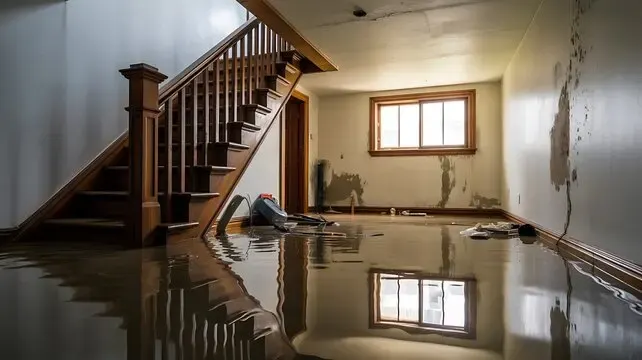
Jackson Heights is mostly brick apartment buildings and houses, many with a cellar or ground-floor rooms below the sidewalk. When the combined sewer fills in a cloudburst, water and sewage look for the lowest drain in the building, and storm water finds the cellar door and the window wells.
- Moisture mapping comes before any equipment goes down.
- The water category and the class of loss set what is removed and what is dried.
- Equipment stays until readings sit within 2 to 4 points of a dry reference.
What does basement flooding cleanup cost in Jackson Heights, NY?
A flooded Jackson Heights cellar usually costs $2,000 to $30,000 to clean up and dry. Sewer water, finished rooms below the sidewalk, deep water and days of standing time push the total up.
Unfinished cellar, clean water
- Pump-out and extraction
- Brick and concrete drying
- Daily readings
Finished ground-floor rooms
- Carpet and pad removal
- Flood cuts
- LGR dehumidifiers
Sewer water or a deep flood
- Category 3 removal
- Containment and HEPA
- Extended structural drying
Ranges are typical, not a quote: category of water, square footage, material class and how fast drying started move the number most. Run the water damage cost calculator for a closer range.
How basement flooding cleanup is handled in Jackson Heights
The tech who does the walkthrough maps moisture before any equipment goes down, so the drying plan matches what is actually wet. Equipment stays until the readings say dry, not until it looks dry.
- 1
Source and category
First the basement crew pins down the entry point and sorts the water as clean, gray or sewer water.
- 2
Pump and extract
Pumps and extractors clear standing water from the cellar, the boiler room and any carpet.
- 3
Remove and clean
Finishes that will not dry are cut out, and every remaining surface gets cleaned and an antimicrobial.
- 4
Dry to the goal
Air movers and dehumidifiers run until brick, concrete and walls match a dry reference.
How water reaches a Jackson Heights cellar
Jackson Heights drains through a combined sewer that carries storm water and sewage in one pipe to the Bowery Bay plant in Astoria. DEP says the system typically handles about 1.75 inches of rain an hour. On September 1, 2021, Ida delivered a record 3.15 inches in one hour, and Jackson Heights streets flooded.
- Backflow from the street sewer through cellar floor drains; see sewer backup cleanup.
- Storm runoff through cellar doors, areaways and window wells.
- Failed water heaters, boilers and old supply pipe in the cellar.
Drying ground-floor rooms and cellars
The basement crew finds the source and the water category first, because sewer water changes what can stay. Pad, lower drywall and insulation that Category 2 or 3 water touched come out, and the surfaces are cleaned and treated before drying. Brick and concrete hold water, so desiccant or LGR dehumidifiers run until readings reach the goal.
- Flood cuts at a measured height above the wet zone.
- EPA-registered antimicrobial on surfaces touched by sewer water.
- Daily readings on walls and floors, logged for the claim file.
Owners, boards and the next storm
DEP says the property owner maintains the sewer service pipe from the building to the street sewer, and that a backflow device can help stop sewage from flowing back in. DEP also suggests sump pumps that discharge well away from the building. In a co-op, the board and the super should hear about any cellar flooding. The basement backup risk check gives a quick read on your building.
Basement flooding cleanup across Jackson Heights and nearby areas
The Jackson Heights basement crew covers ZIP 11372, 11370 and 11369, from the Jackson Heights Historic District out to 37th Avenue, Roosevelt Avenue and Northern Boulevard.
The same service nearby: basement flooding cleanup in East Elmhurst, Corona, Astoria.
Water damage restoration in Jackson Heights · every neighborhood covered
Related water damage services in Jackson Heights
Basement Flooding Cleanup questions in Jackson Heights, NY
Why does my cellar flood in heavy rain?
Jackson Heights drains through a combined sewer. When rain falls harder than the roughly 1.75 inches per hour the system typically handles, the sewer fills and pushes water back up through cellar drains, while runoff comes in through doors and window wells.
Who is responsible for the sewer pipe?
DEP says the property owner owns and maintains the sewer service pipe from the building to the street sewer. In a co-op or rental building, that is usually the building, so tell the super and the board.
How long does a flooded cellar take to dry?
Four to seven days is common for a cellar after the water and soaked finishes are gone. Brick foundation walls, concrete slabs and cool air below the sidewalk can add days.
Is cellar flooding covered by insurance?
It turns on the source. Drain backups often need a sewer backup endorsement; outside storm water usually needs flood coverage. Coverage depends on your policy, so check with your own insurer.
What should I report to the City?
Report a sewer backup to 311 so DEP can inspect it. Claims against the City go to the NYC Comptroller within 90 days, and the drying records support the claim.
What helps stop the next flood?
DEP says a backflow device can help keep sewage from flowing back in, and sump pumps should discharge well away from the building. Keep valuables off the cellar floor.
Flooded cellar in Jackson Heights? Start the dry-out tonight.
A cellar left wet stays damp for weeks in Queens humidity. The drying team sets air movers and dehumidifiers once the water is pumped out.