Basement Flooding Cleanup in Corona, NY
Corona sits low in places, and many of its basements are lived in. When a cloudburst or a drain backup floods one, the basement crew pumps it out, strips out whatever cannot dry and brings the rest down to a measured reading.
(888) 527-9860Get the flooded basement cleared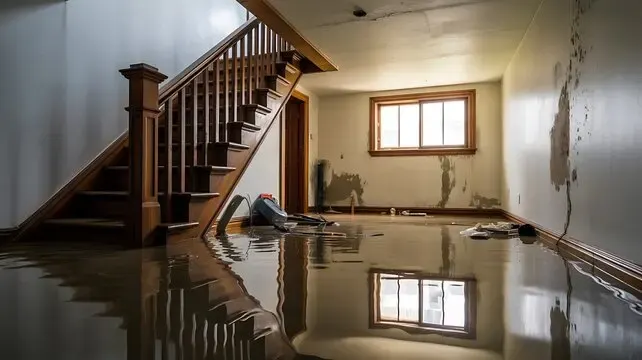
Parts of Corona sit on low, former marshland near Flushing Meadows-Corona Park, and the neighborhood drains to a combined sewer. DEP chose Corona as one of four Cloudburst Hubs, and the basements, many of them lived in, are where a downpour does its damage first.
- Moisture mapping comes before any equipment goes down.
- The water category and the class of loss set what is removed and what is dried.
- Equipment stays until readings sit within 2 to 4 points of a dry reference.
What does basement flooding cleanup cost in Corona, NY?
A flooded Corona basement usually costs $2,000 to $30,000 to clean up and dry, with sewer water, a finished apartment below grade, deep water and long standing time pushing the total higher.
Bare basement, clean water
- Pump-out first
- Drying of slab and walls
- Meter checks daily
Finished basement room
- Soaked carpet and pad out
- Flood cuts
- LGR drying units
Basement apartment or sewage
- Total Category 3 tear-out
- Sealed work zone with HEPA
- Kitchen and bath drying
Ranges are typical, not a quote: category of water, square footage, material class and how fast drying started move the number most. Run the water damage cost calculator for a closer range.
How basement flooding cleanup is handled in Corona
The tech who does the walkthrough maps moisture before any equipment goes down, so the drying plan matches what is actually wet. Equipment stays until the readings say dry, not until it looks dry.
- 1
Trace the entry
The crew pinpoints where water came in and grades it clean, gray or black.
- 2
Empty the room
Pumps and extractors empty the room, the boiler area and wet carpet.
- 3
Cut and clean
Finishes beyond saving are cut away, and what stays is cleaned and treated.
- 4
Dry down
Fans and dehumidifiers keep working until walls and slab match a dry reference.
How water enters a Corona basement
The entry point shapes the cleanup. Water rising through a floor drain is handled differently from runoff coming down areaway steps or a split pipe beside the boiler, so the tech traces the source before anything is torn out.
- Sewer water forced up floor drains and basement toilets when a downpour overwhelms the system, which sewer backup cleanup covers.
- Runoff pouring through basement doors, window wells and stair openings.
- Failed water heaters, boilers or supply pipes in the basement itself.
Drying basement apartments
A lived-in basement holds carpet, drywall, insulation and often a kitchen and bath, all in cool air that keeps dampness around. Whatever the water category rules out comes out first, commonly the pad and the bottom stretch of drywall, and then cleaning and treatment of what remains come ahead of drying.
Brick, block and concrete hold water long after the puddles are gone, so desiccant and LGR dehumidifiers stay in place until the readings hit target. Nobody should sleep in a room that still reads wet.
- Drywall cut at a height the meter readings justify.
- An EPA-registered antimicrobial on every surface gray or black water touched.
- Daily readings on walls and floors, kept for the claim.
Before the next downpour
DEP recommends sump pumps that discharge away from the building, and notes that backflow prevention devices, which the law does not require for most NYC homes, can keep sewage out. Maintenance of the sewer service pipe from the building to the city main falls to the property owner, DEP says. The basement backup risk check offers a fast read on a particular basement.
Basement flooding cleanup across Corona and nearby areas
The basement crew serves ZIP 11368, working through North Corona and South Corona basements and the blocks near 108th Street, Northern Boulevard and Park of the Americas.
The same service nearby: basement flooding cleanup in East Elmhurst, Jackson Heights, Flushing.
Water damage restoration in Corona · every neighborhood covered
Related water damage services in Corona
Basement Flooding Cleanup questions in Corona, NY
What floods Corona basements during storms?
Corona's combined sewer carries rain and sewage together, and DEP says heavy rain often overwhelms it. The overflow can rise through basement drains or pour in at doors and window wells.
Is a lived-in basement worth saving?
Frequently. Clean water caught early may dry where it is. After sewage or floodwater, soaked pad, low drywall and insulation come out, then the space is cleaned, treated and dried before rebuilding.
How many days does a flooded basement need?
Expect four to seven days once the water and ruined finishes are out; thick masonry, slabs and cool air can stretch that.
Which kind of coverage applies?
The source decides. Sewage coming back up a drain often falls under a backup endorsement, and storm water entering from outside typically needs flood coverage. Your own insurer can say which one applies to a given policy.
Who maintains the sewer pipe?
DEP says the owner owns and maintains the sewer service pipe running from the building to the city main, and a backup reported to 311 is inspected within six hours of the complaint.
How can the next flood be prevented?
Sump pumps that discharge away from the building help, as DEP recommends, and backflow prevention devices can too. Keep valuables off the basement floor.
Corona basement flooded? Get the dry-out started now.
A wet basement can stay damp for weeks without equipment. The drying team sets it up as soon as the water is out.