Water Damage Restoration Flushing, NY
Flushing water damage restoration at any hour. Crews pump water out of basements, garages and co-op apartments, dry the structure to the IICRC S500 standard and document each step for your claim.
(888) 527-9860Flooded? Call Flushing nowZIP 11354, 11355 and 11358, plus Murray Hill, Linden Hill and Pomonok.
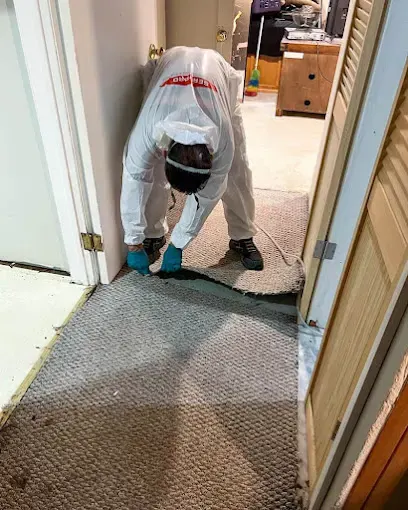
Water in a Flushing home? The first five moves
- 1
Stop the source
Close the fixture valve, or the main shutoff where the supply pipe comes into the building.
- 2
Mind the electricity
Flip off breakers to wet rooms only if the panel stands on dry ground.
- 3
Avoid the drain water
Water that rises from a floor drain, toilet or tub is Category 3. Keep kids and pets away.
- 4
Record the damage
Photograph the wet rooms and the high-water mark from near and far before anything moves.
- 5
Raise valuables, then call
Get papers, electronics and rugs off the floor. Damp materials can start growing mold in 24 to 48 hours.
Water Damage Services Across Flushing, NY
Six-story brick co-ops, detached houses and Downtown Flushing storefronts all take water differently, so every service below is matched to the source and the water category.
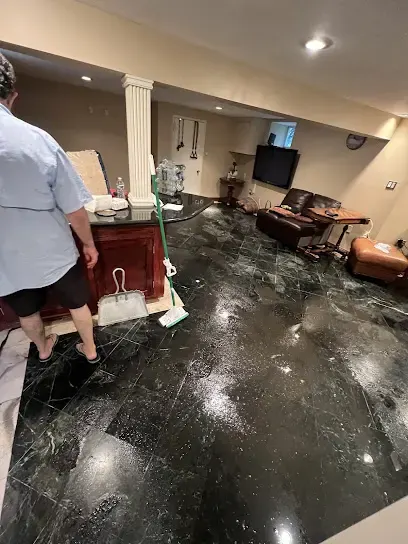
Water Extraction and Removal
Street water that rose through drains and low ground pumped out of basements and garages quickly.
See details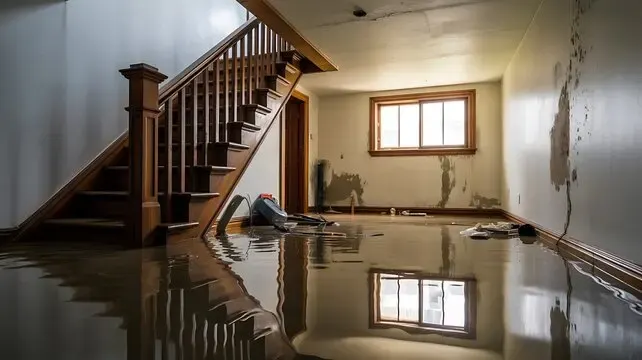
Basement Flooding Cleanup
Cellars and finished basements near Kissena Park pumped out, cut open at a measured height and dried.
See details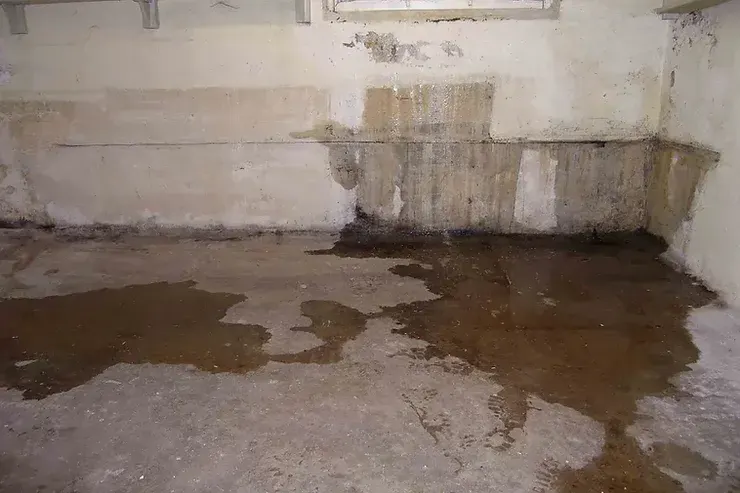
Sewer Backup Cleanup
Water pushed up through drains, toilets and tubs from the combined sewer treated as black water.
See details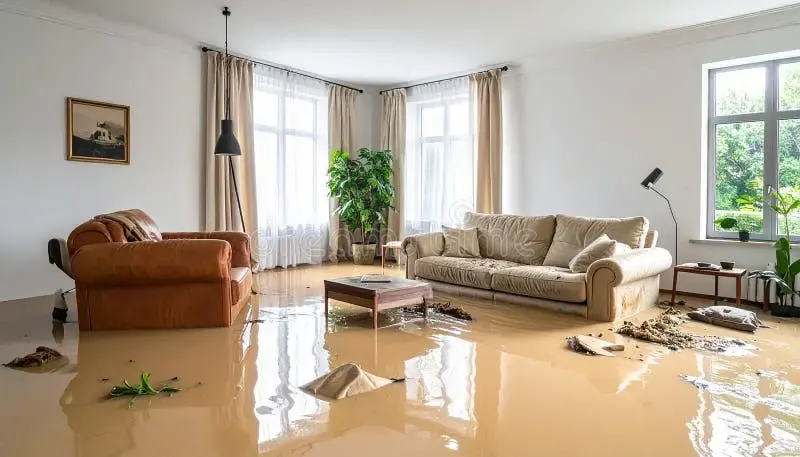
Storm and Flash Flood Cleanup
Flash flood and cloudburst water treated as contaminated, cleared from basements and garages, then dried.
See details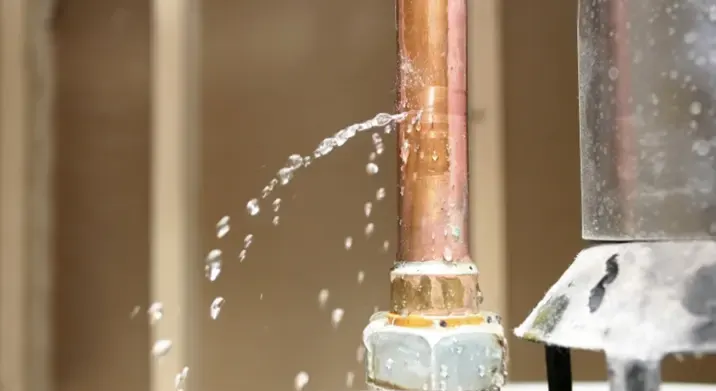
Burst Pipe Water Damage
Failed supply pipes in older houses and co-ops traced, with walls opened only as far as the moisture reaches.
See details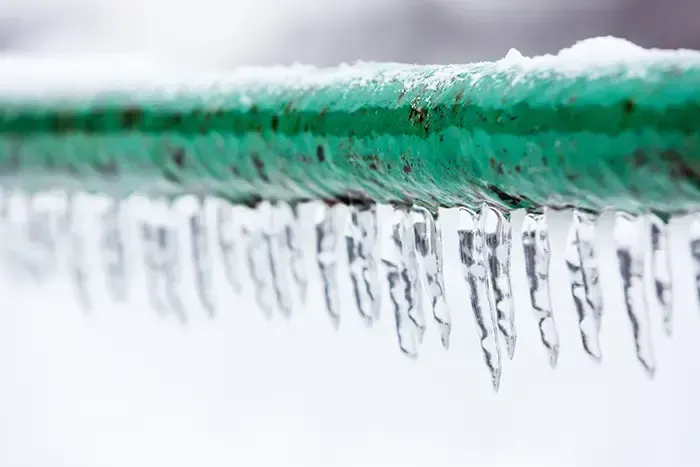
Frozen Pipe Cleanup
Pipes split by a hard freeze in outer walls, garages and unheated rooms found and dried.
See details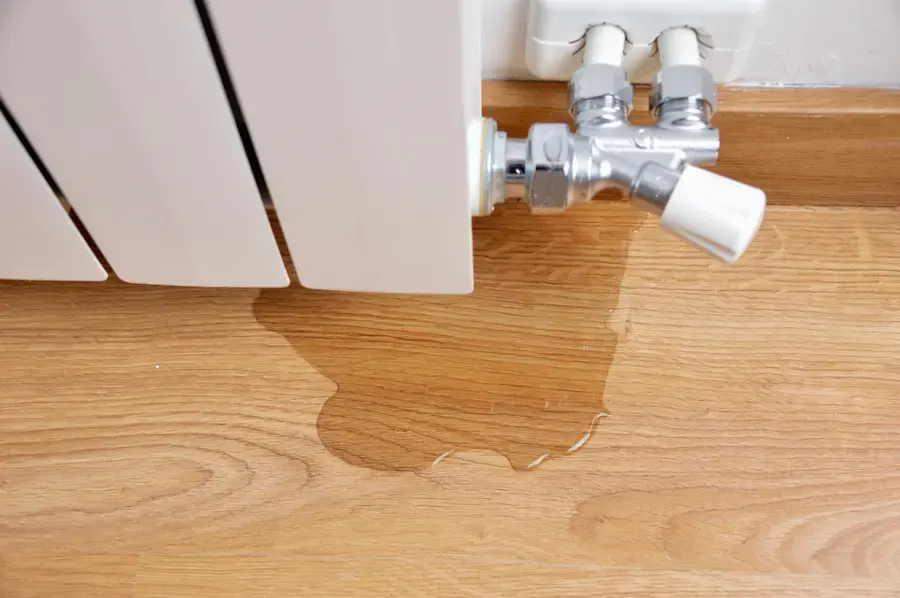
Boiler and Radiator Leak Water Damage
Boiler, valve and radiator leaks dried out of floors before the ceilings below sag.
See details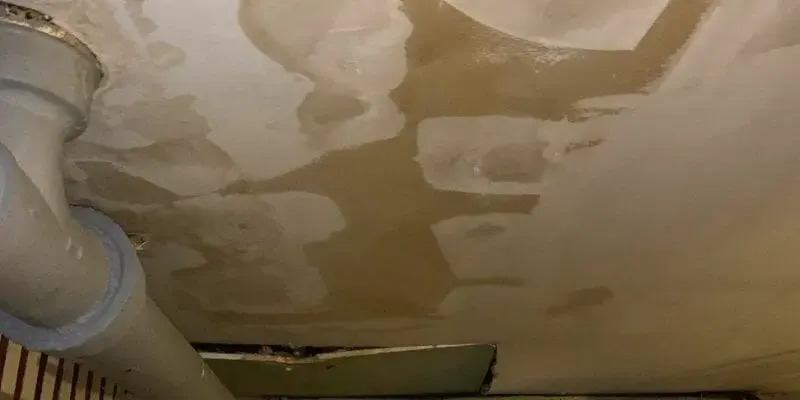
Ceiling Leak Water Damage
Leaks from the co-op unit above followed down through six-story brick, with plaster opened only where wet.
See details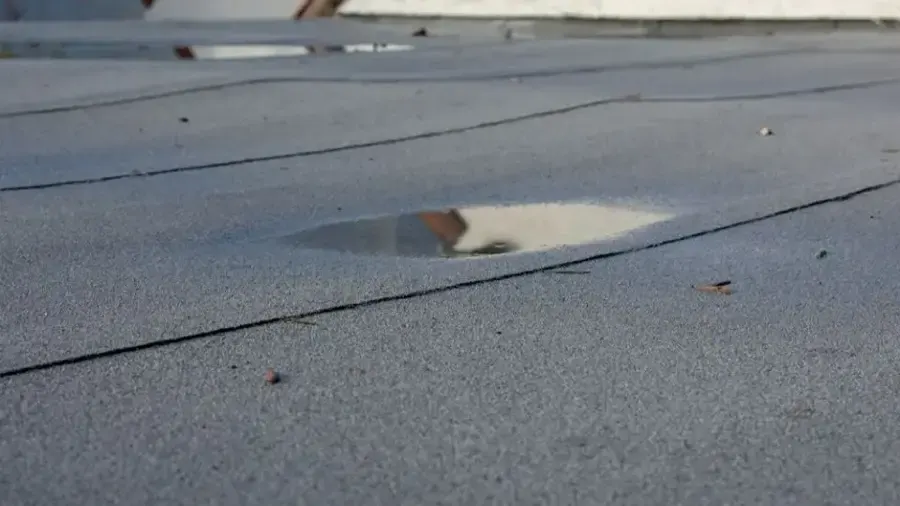
Flat Roof Leak Water Damage
Rain that gets past a flat roof dried out of top-floor ceilings in older brick buildings.
See details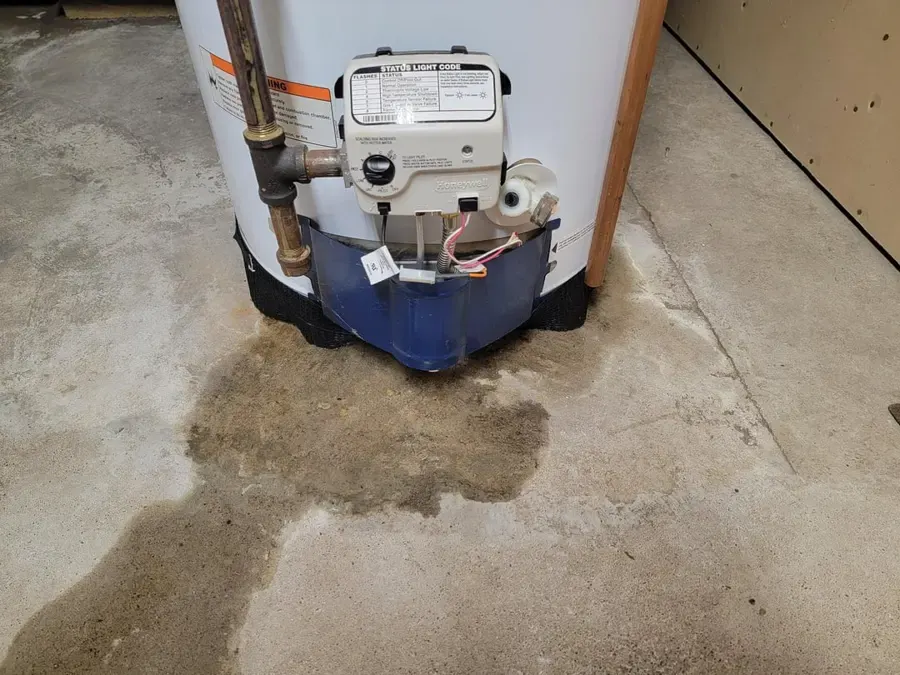
Water Heater Leak Cleanup
Tank failures in basements and utility closets extracted, with neighboring finished rooms dried.
See details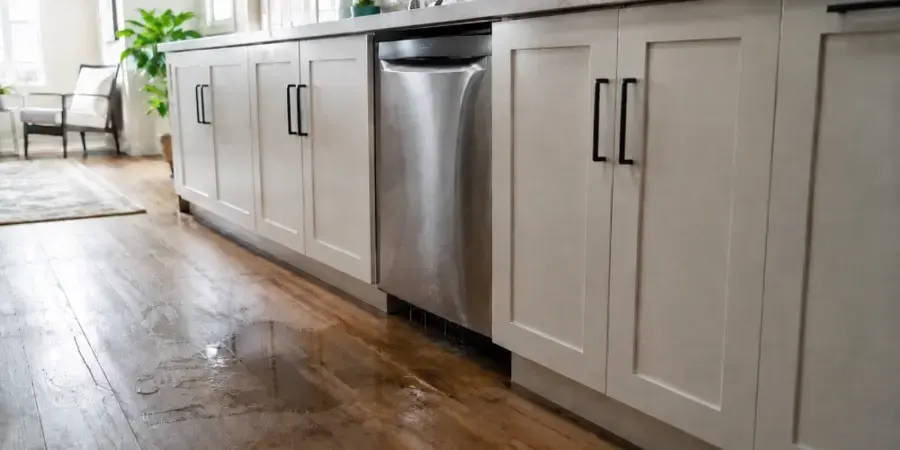
Appliance Leak Water Damage
Hose and valve failures on washers and dishwashers dried under cabinets before the unit below gets wet.
See details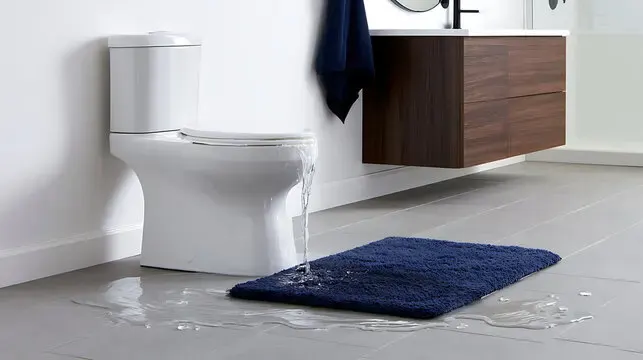
Toilet Overflow Cleanup
Toilet overflows sorted by water category, then the floor and the ceiling below checked for moisture.
See details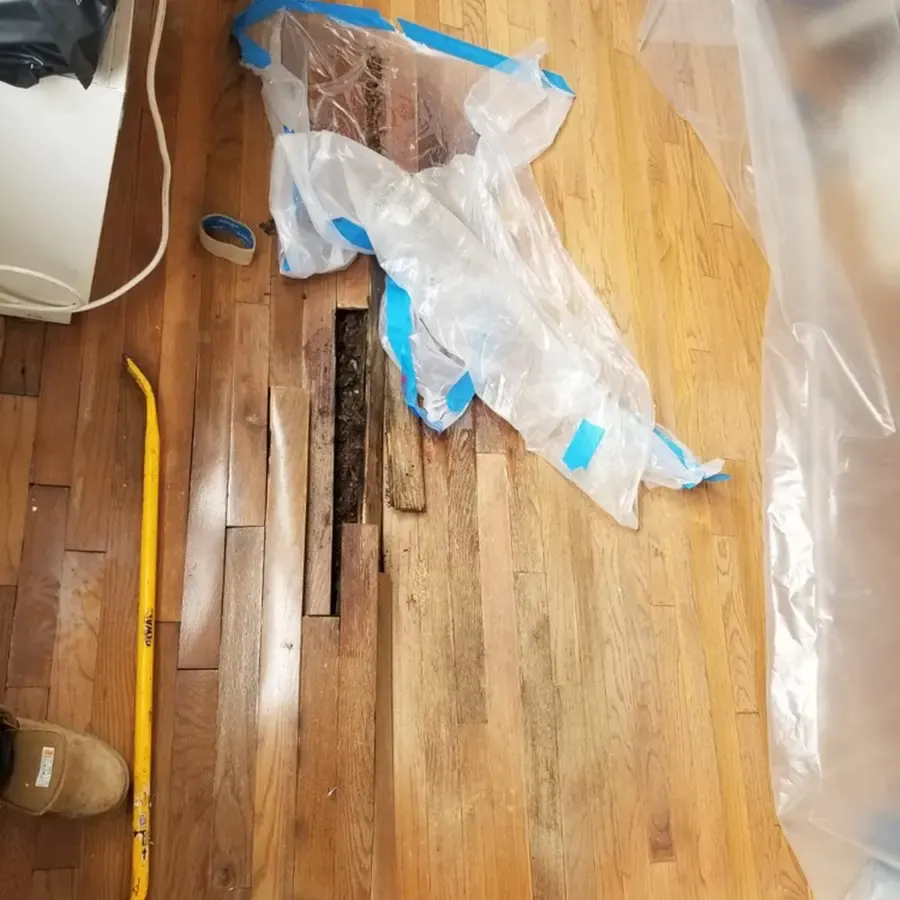
Structural Drying and Dehumidification
Plaster, brick, framing and hardwood dried with daily readings until they match a dry reference.
See details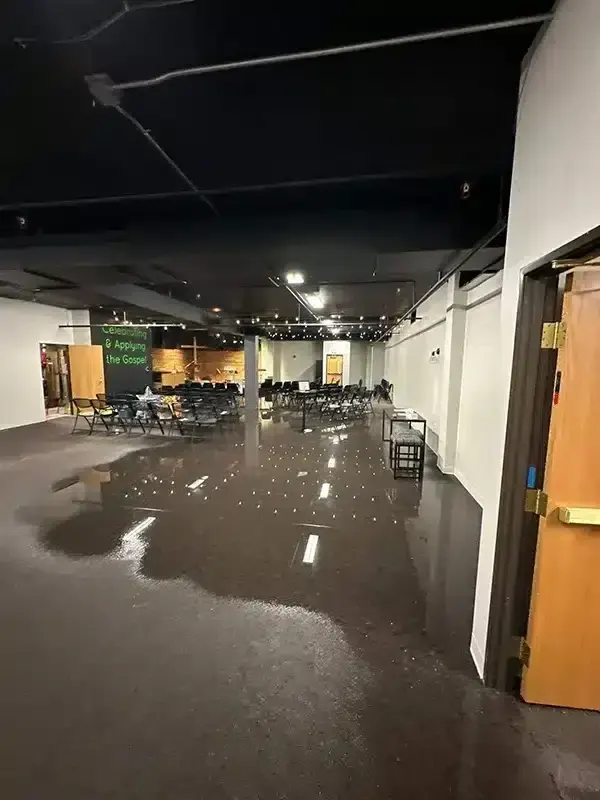
Commercial Water Damage
Downtown Flushing shops and restaurants dried in stages so business can carry on.
See detailsHow Flushing water damage is dried to IICRC S500
Water in Flushing often crosses a shared wall or a finished basement, so the drying plan tracks where the moisture went. Equipment stays in place until the readings are dry, whatever the room looks like.
- 1
Moisture mapping first
Meters and a thermal camera locate damp plaster, drywall and flooring, including in the unit beside or below, before any equipment is set.
- 2
Extraction
Truck-mounted and portable extractors take standing water out of basements, garages and carpet so it cannot keep spreading.
- 3
Air movers and dehumidifiers
Fans and dehumidifiers are chosen for the class of loss in each room, and dense brick, plaster and hardwood get desiccant units.
- 4
Daily readings to the goal
Readings are written down each day. Equipment leaves when the materials come within 2 to 4 points of a dry reference.
What does water damage restoration cost in Flushing, NY?
Most Flushing water damage jobs land between $1,200 and $30,000, with small clean-water leaks at the low end and sewer backups or flooded basements at the high end. The water category, the wet square footage, the materials and how soon drying starts set the figure.
Small clean-water leak
- One kitchen or bath
- Water removed, drying in place
- Moisture checked each day
Finished basement or co-op floor
- Soaked carpet and pad removed
- Flood cuts above the wet mark
- Documents for the claim file
Sewer backup or flash flood
- Contaminated materials removed
- Containment with HEPA filtration
- Longer structural drying
These are typical ranges, not quotes. A Flushing homeowner can narrow them with the water damage cost calculator or the drying time estimator.
Every water category handled in Flushing, NY
Clean water, Category 1
Water from supply pipes, boilers and heaters. Caught within a day, plaster and flooring often dry where they are.
Burst pipe water damageGray water, Category 2
Washer, dishwasher and toilet water without waste. Carpet pad goes, and the surfaces get treated.
Toilet overflow cleanupBlack water, Category 3
Sewer backup and flood water. Whatever porous material it soaked is removed instead of dried.
Sewer backup cleanup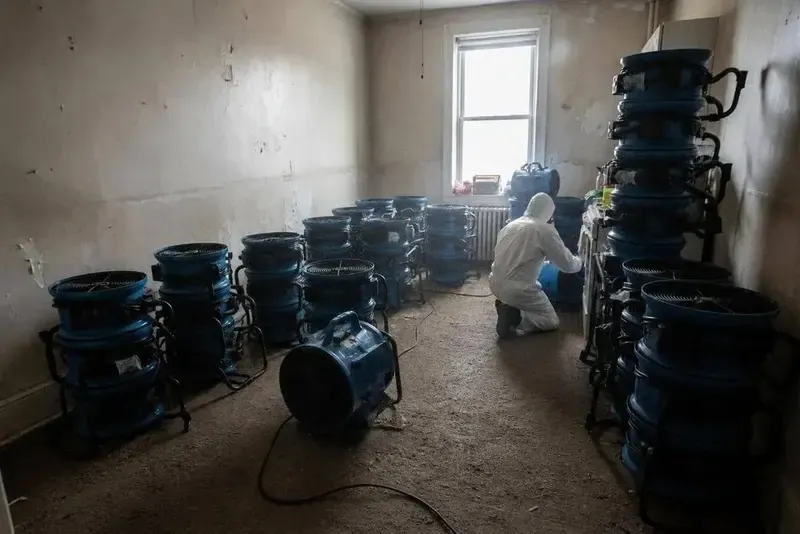
How Flushing water losses are handled, start to finish
Flushing buildings range from detached houses to six-story co-ops, and water moves between units, ceilings and finished basements. Crews check the spaces around the wet spot and let moisture readings, not appearances, set the plan.
Rapid local response
Dispatch runs day and night, and active water in Flushing gets urgent treatment on weekends and holidays as well.
IICRC S500 drying standard
Equipment is matched to the class of loss, and drying goes behind the surface into framing and subfloor.
Claim-ready documentation
A moisture map, daily psychrometric logs and timestamped photos are made before anything is demolished.
Flushing building know-how
Co-op boards, supers, finished basements and storefronts are part of most Flushing water losses.
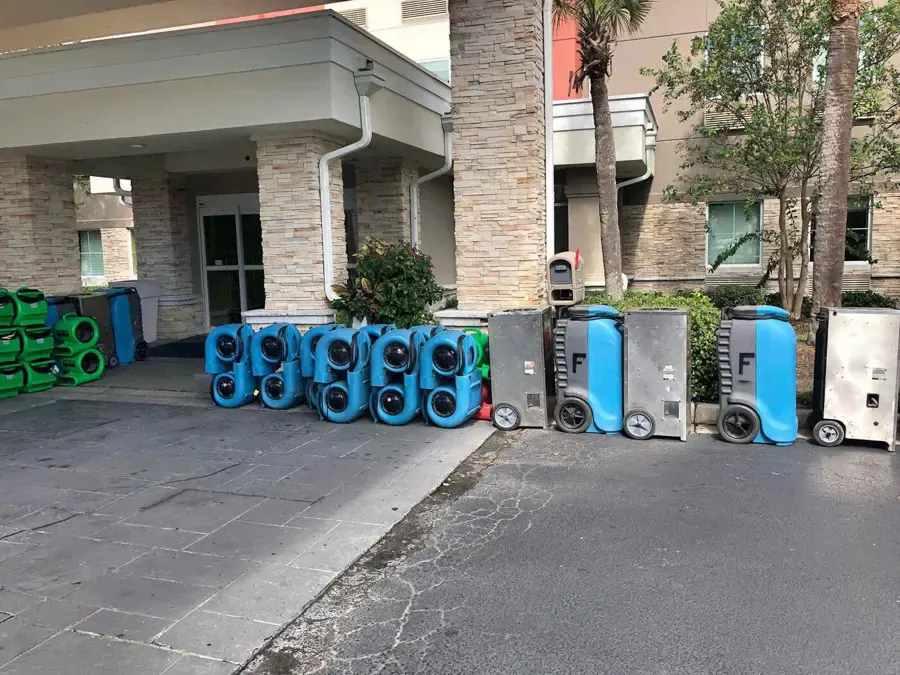
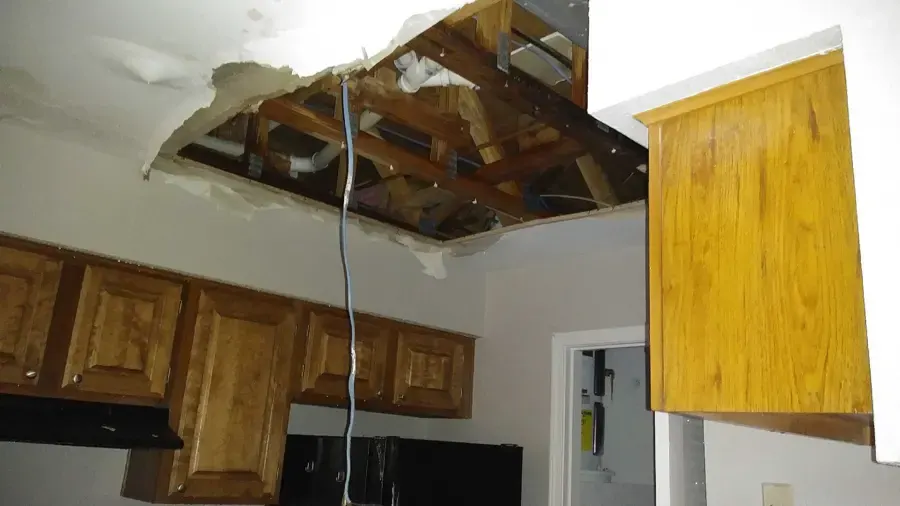
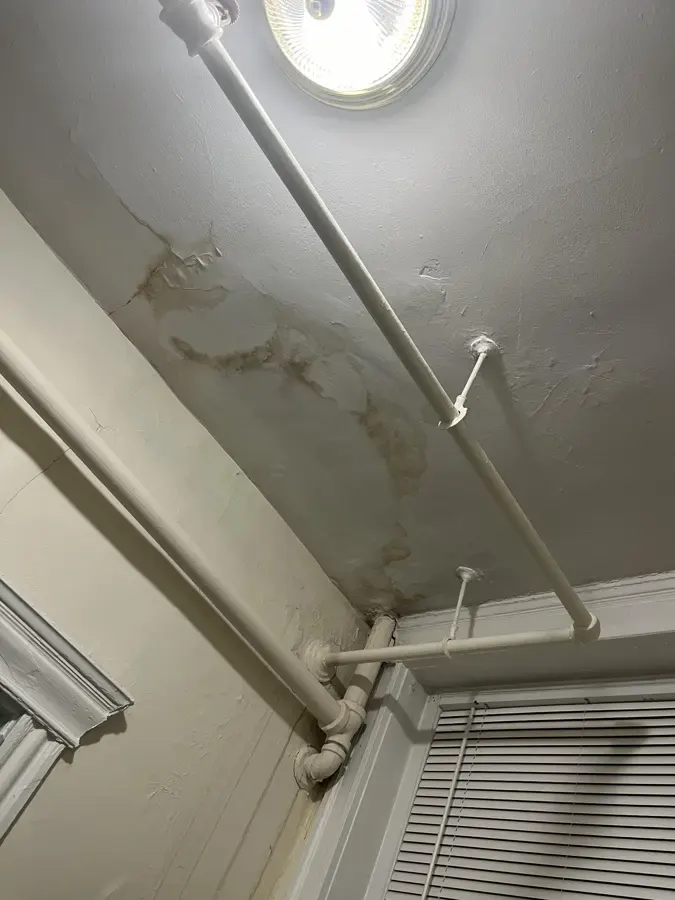
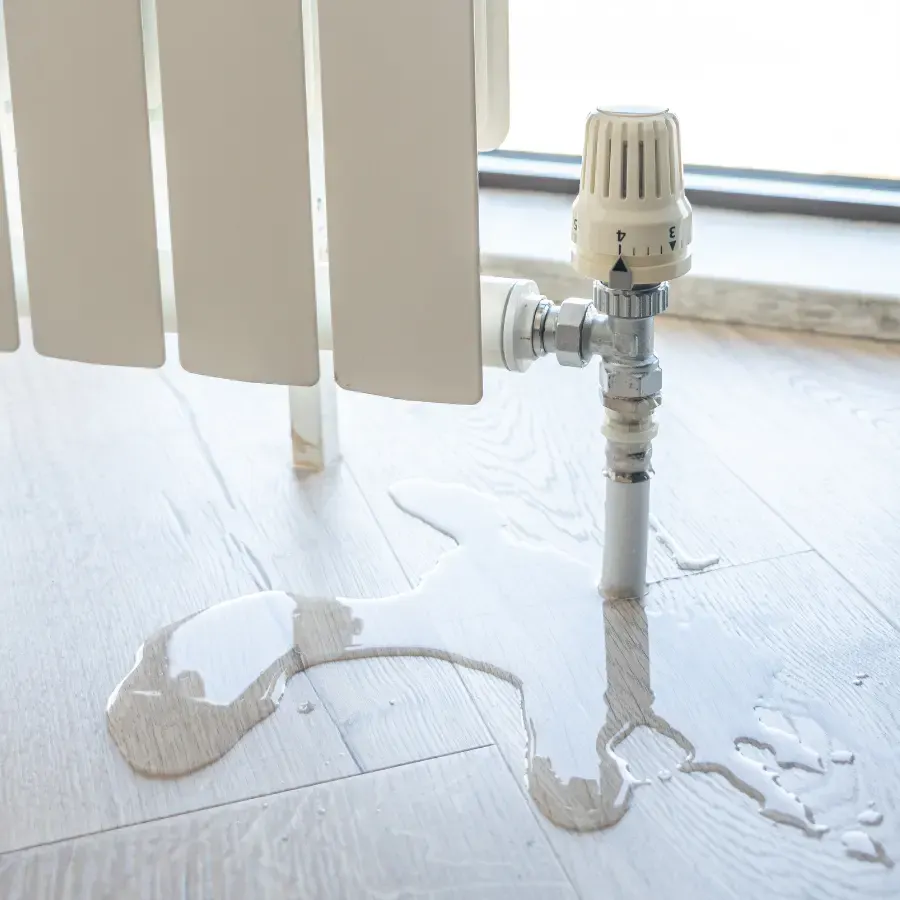
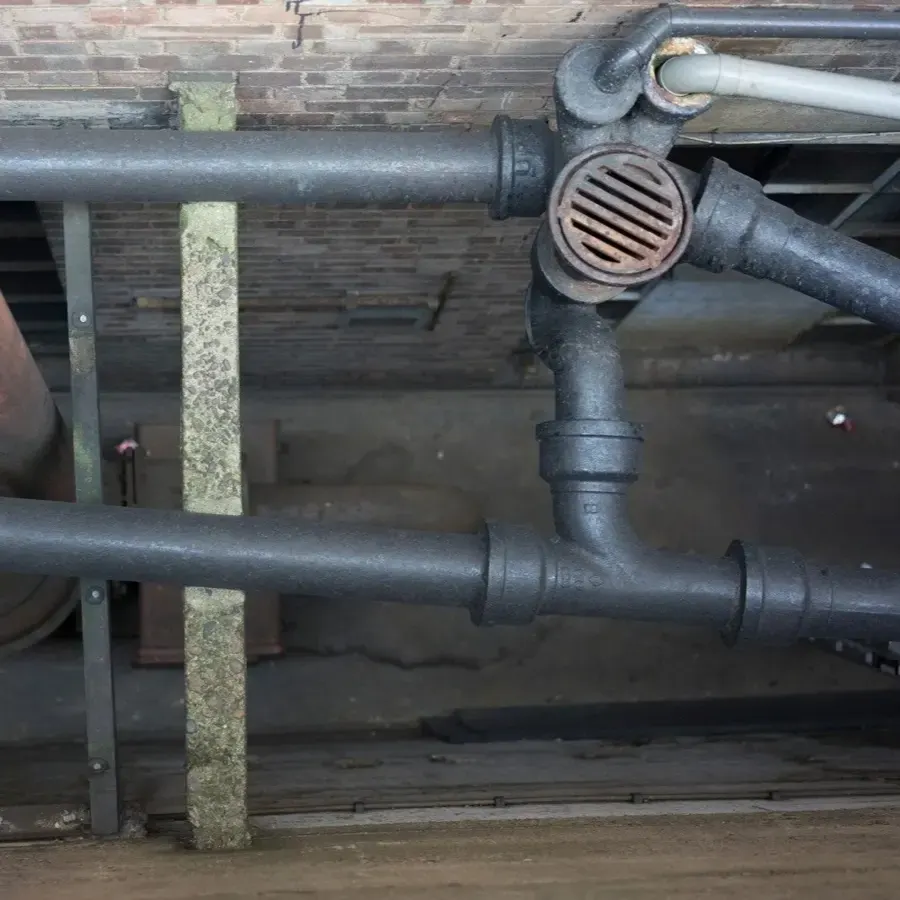
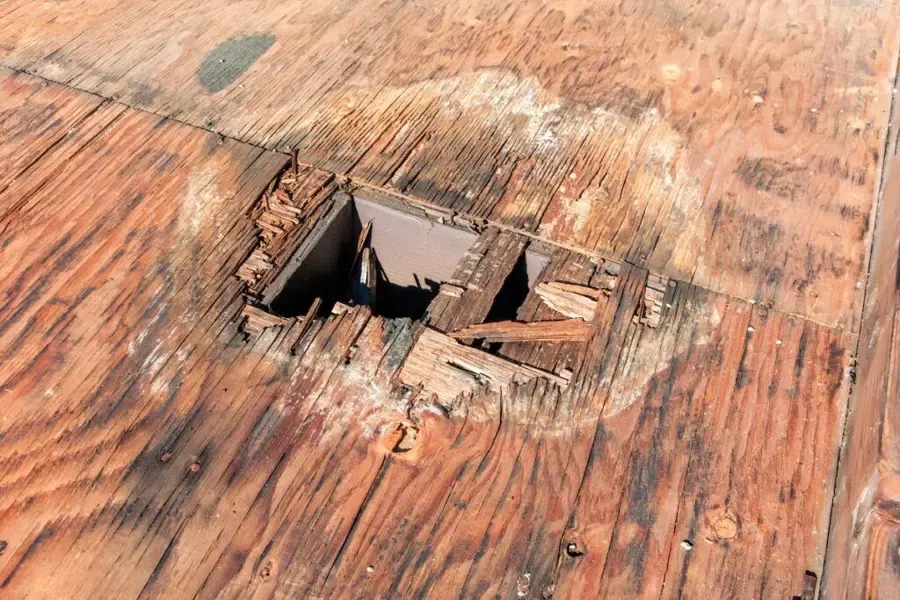
What a dry-out can look like for a Flushing property
Records that support your insurance claim
Co-op boards, landlords and insurers each read the file. A complete Flushing claim record gives all of them the same facts.
- A first-visit moisture map listing each wet material, room and unit the water reached
- Psychrometric logs and material readings taken every day until the drying goal is met
- Timestamped photos shot before anything is torn out or hauled away
- The category and class of the loss, which decide what comes out and what dries
- A line-item scope written in the form adjusters expect
Check your own policy
A sudden break such as a burst supply pipe is generally handled differently from storm water coming in from outside, which belongs under flood coverage. Sewer backup frequently needs a separate endorsement.
In a co-op the building's policy may also apply, and the restoration contractor can say which records come with the job. How much is covered depends on your policy, so ask your own insurer directly.
Serving Flushing blocks, co-ops and storefronts across northern Queens
Flushing streets and areas
ZIP codes
Nearby neighborhoods
Flushing, NY water damage: what makes the risk local
Flushing sits in north-central Queens, where DEP says urbanization eliminated the wetlands around Flushing Bay, so runoff now reaches the bay fast. Detached houses and six-story brick co-ops share the blocks.

July 18, 2026: flash flooding put basements and garages in Flushing under water, and the NYC Office of Emergency Management handed out pumps to residents after calling the area's topography difficult to combat.
- Combined sewers: Most of the Flushing Bay area drains to combined sewers, so a cloudburst can push rain and sewage up through basement drains.
- Sewer capacity: DEP puts typical capacity at about 1.75 inches of rain per hour, yet Ida's remnants delivered a record 3.15 inches in one hour.
- Kissena Park area: DEP named Kissena Park a cloudburst hub in January 2023, and areas around it flooded in a May 2023 storm.
- Shared brick walls: In co-ops like Linden Hill and Electchester, a leak in one unit can reach the ceilings below.
- Hard freezes: Nine freezing days in a row in Central Park, ending February 2, 2026, stressed exposed pipes in older homes.
Flushing water damage questions, answered
Water just came into my Flushing basement. What first?
Stay out of deep water, close the source if it is a pipe, and switch off power to wet rooms only if the panel is dry. Photograph the high-water mark, then call for extraction before damp materials start to grow mold.
Why did my toilet and bathtub back up in a storm?
Combined sewers serve most of the Flushing Bay area. In July 2026 residents said clogged drains made street water rise and push up through toilets and bathtubs into basements, and that water is Category 3.
Does the City inspect a sewer backup?
A backup reported through 311 is inspected by DEP within six hours. The owner maintains the service pipe from the building to the street sewer, and a claim against the City goes to the NYC Comptroller within 90 days, so keep the complaint, photos and drying records.
How quickly does help dispatch in Flushing?
Dispatch runs at any hour for ZIP 11354, 11355 and 11358, and water that is still coming in counts as urgent on nights, weekends and holidays.
How long does drying take?
A single clean-water room often dries in three to five days. Brick, plaster, hardwood and finished basements run longer, and the equipment stays until readings match a dry reference.
Can a finished basement be saved?
Often it can. Clean water caught early usually dries in place. After sewer water, carpet, pad, lower drywall and insulation are removed, the room is treated, and the structure dries before any rebuilding.
Is a sump pump or backflow device worth adding?
For most NYC homes the law does not require a backflow device, though DEP says one can help. DEP also recommends sump pumps with discharge pipes that carry the water well away from the building.
Is water damage covered by insurance?
Sudden, accidental water such as a burst supply pipe is often covered, while rising surface water usually calls for flood coverage and sewer backup often needs an endorsement. Coverage depends on your policy, so check with your own insurer.
The co-op unit above leaked through my ceiling. Now what?
Get the water stopped upstairs first, then have both units inspected. Moisture runs along joists and walls, so the ceiling can stay wet beyond the stain, and readings in each unit decide what dries and what comes out.
What sets the cost of a Flushing job?
Water category, wet square footage, materials, how many units the water crossed and how soon drying began all count. The cost calculator gives a typical range for a Flushing property.
Flushing basement under water? Start drying today.
Standing water keeps travelling into plaster, pad and subfloor. The extraction crew clears it, then the drying team works until the readings verify the structure is dry.