Storm and Flash Flood Cleanup in Flushing, NY
Flushing has seen flooding from Ida, a May 2023 storm and the July 18, 2026 flash flood. Floodwater is Category 3, so the storm crew removes it, cuts out what it soaked and dries the structure to a measured reading.
(888) 527-9860Get the floodwater out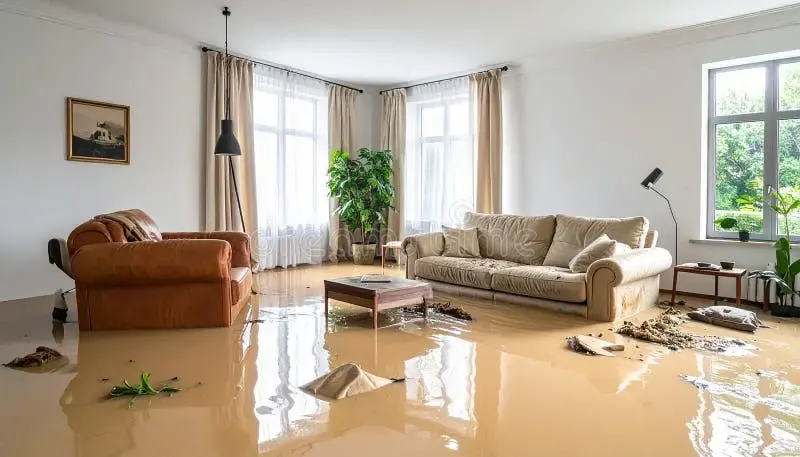
Storm water that enters a building has already crossed streets, gutters and yards, so it carries whatever it passed. In Flushing that means treating every flood as contaminated until the readings and the materials say otherwise.
- Moisture mapping comes before any equipment goes down.
- The water category and the class of loss set what is removed and what is dried.
- Equipment stays until readings sit within 2 to 4 points of a dry reference.
What does storm and flash flood cleanup cost in Flushing, NY?
Storm and flash flood cleanup in Flushing, NY typically costs $2,500 to $40,000. Depth, the square footage reached, finished materials, the hours the water stood and whether sewage was in the mix move a job along that range.
Shallow water in one area
- Water pumped out
- Wet pad removed
- Surfaces cleaned
Whole basement or ground floor
- Flood cuts made
- Carpet and pad out
- Dehumidifiers running
Deep flooding on several floors
- Heavy material removal
- Containment
- Long structural drying
Ranges are typical, not a quote: category of water, square footage, material class and how fast drying started move the number most. Run the water damage cost calculator for a closer range.
How storm and flash flood cleanup is handled in Flushing
The tech who does the walkthrough maps moisture before any equipment goes down, so the drying plan matches what is actually wet. Equipment stays until the readings say dry, not until it looks dry.
- 1
Wait for safe entry
The crew checks power, structure and water depth before anyone goes in.
- 2
Pump and extract
Pumps and truck-mounted units clear the floodwater, then extractors work the floors.
- 3
Remove and clean
Soaked porous materials are cut out, and everything left is cleaned and treated.
- 4
Dry and verify
Dehumidifiers and air movers run until the readings come back dry.
The storms behind Flushing floods
Hurricane Ida's remnants set a New York City record of 3.15 inches of rain in one hour on September 1, 2021, while DEP says the city sewer system typically handles about 1.75 inches. Areas around Kissena Park flooded in a May 2023 storm, and flash flooding put Flushing basements and garages under water on July 18, 2026.
- Street runoff entering through garage doors and basement stairwells.
- Combined-sewer water pushed up through floor drains.
- Water collecting in the Kissena Park area, named a DEP cloudburst hub in January 2023.
Why floodwater counts as Category 3
Floodwater mixes street runoff, soil and sometimes sewage, so the storm crew treats it as contaminated from the start. Porous materials it reached, such as carpet, pad, insulation and lower drywall, are removed, and hard surfaces are cleaned and treated before the structure is dried.
- Flood cuts above the high-water mark.
- Contaminated materials bagged and carried out.
- Dehumidifiers sized for basements that stay cool and damp.
Coverage and the next downpour
Rising surface water is usually a flood-coverage question rather than a standard homeowner claim, so the file matters. DEP said a traditional sewer upgrade around Kissena Park would cost billions and take decades, and after the July 2026 flood the NYC Office of Emergency Management said the area's topography is difficult to combat. Basement flooding cleanup covers the below-grade side and sewer backup cleanup the drain side.
Storm and flash flood cleanup across Flushing and nearby areas
The Flushing storm crew works ZIP 11354, 11355 and 11358, with extra attention to the Kissena Park area, Queensboro Hill and the blocks near Flushing Bay.
The same service nearby: storm and flash flood cleanup in East Elmhurst, College Point, Corona.
Water damage restoration in Flushing · every neighborhood covered
Related water damage services in Flushing
Storm and Flash Flood Cleanup questions in Flushing, NY
Why is floodwater Category 3?
Floodwater picks up street runoff, soil and often sewage. Porous materials it touched are removed instead of dried.
How much rain can the sewers handle?
DEP says the city system typically takes about 1.75 inches of rain per hour. Ida's remnants dropped 3.15 inches in one hour on September 1, 2021.
Is flood damage covered by insurance?
Rising surface water usually calls for flood coverage, and a drain backup often needs a sewer endorsement. What is covered depends on your own policy, so ask your insurer.
How long does drying take after flooding?
Five to ten days is common, and longer for finished basements and brick or block walls that hold moisture.
What did the City do after the July 2026 flood?
The NYC Office of Emergency Management handed out pumps to Flushing residents and said the area's topography is difficult to combat.
Should I wait for the water to drop before calling?
No. The crew can plan while the water recedes, and early removal keeps silt and contamination from setting in.
Flash flood in Flushing? Start the dry-out today.
The storm crew pumps out the floodwater and removes what it soaked. The drying team dries the rest to a verified reading.