Water Damage Restoration Corona, NY
Around-the-clock water damage restoration in Corona. Crews pump out basements and apartments, dry brick, plaster and framing against IICRC S500 targets, and keep a full record for your insurance claim.
(888) 527-9860Basement flooding? Call CoronaZIP 11368, plus North Corona, Corona Heights, Corona Plaza and Roosevelt Avenue.
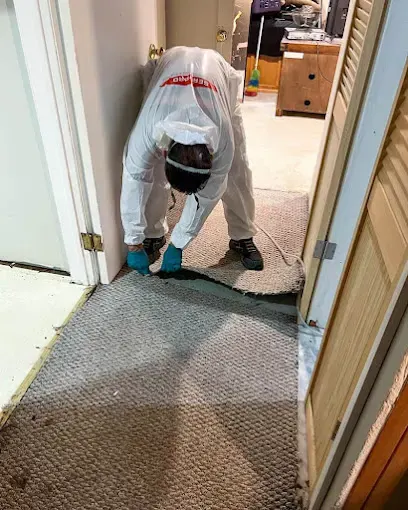
Water in your Corona home? Five moves first
- 1
Shut the water
Turn the fixture valve or the main, or ask the landlord or building super to do it.
- 2
Cut power if safe
Flip the breakers for wet rooms only when the panel is dry and easy to reach.
- 3
Avoid basement water
Water that came up a floor drain is Category 3. Keep children and pets out of the room.
- 4
Take photos first
Record the waterline, the wet walls and the damaged items before anything is moved.
- 5
Raise, then call
Move papers, electronics and small furniture out of the wet zone. Mold can start within a day or two.
Water Damage Restoration Services in Corona, NY
Corona losses come from dense two-family blocks, apartments in basements and a combined sewer. Every service below is matched to the water's source and category.
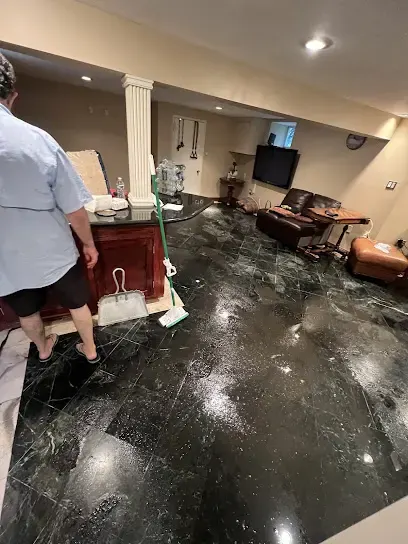
Water Extraction and Removal
Standing water pulled from below-grade rooms and ground-floor units before it reaches shared walls.
See details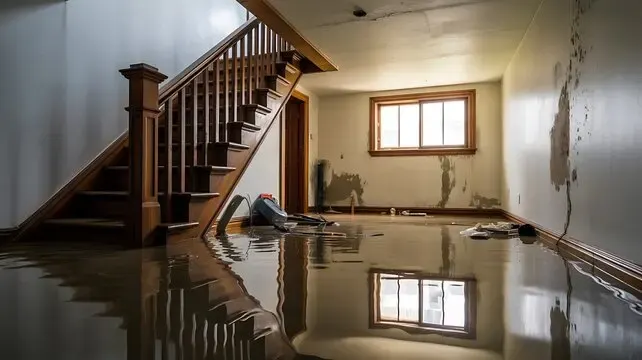
Basement Flooding Cleanup
Basement apartments and low-lying cellars pumped out after cloudbursts, then dried until meters agree.
See details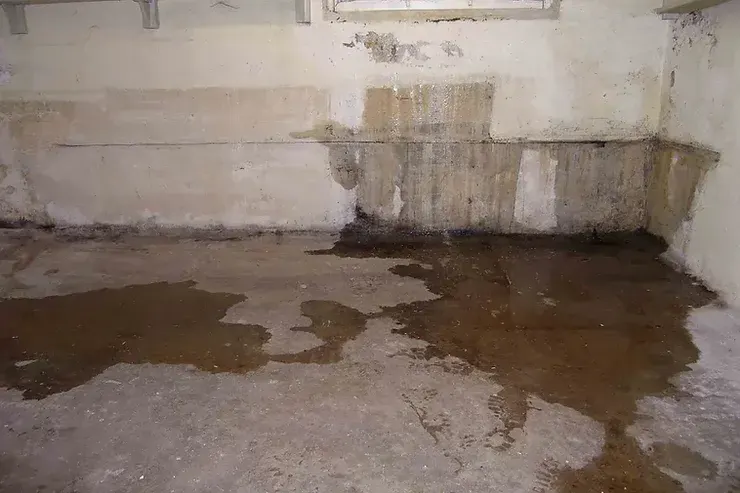
Sewer Backup Cleanup
Combined-sewer backups rising through basement drains treated as Category 3, with every touched porous material removed.
See details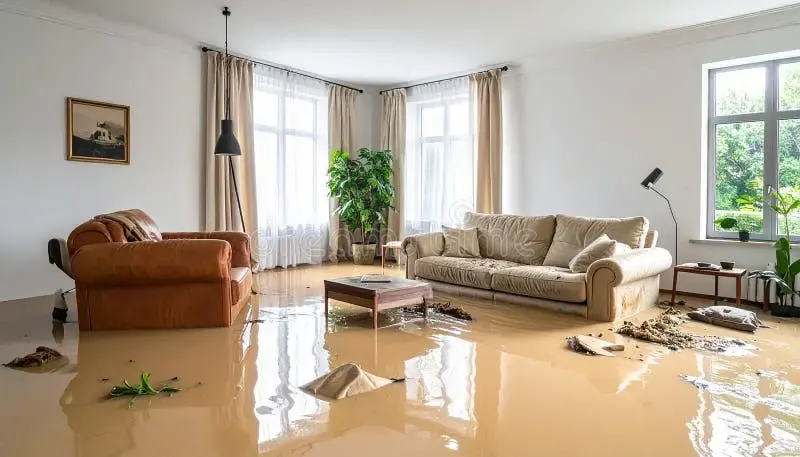
Storm and Flash Flood Cleanup
Cloudburst runoff entering buildings treated as contaminated, extracted and dried before finishes fail.
See details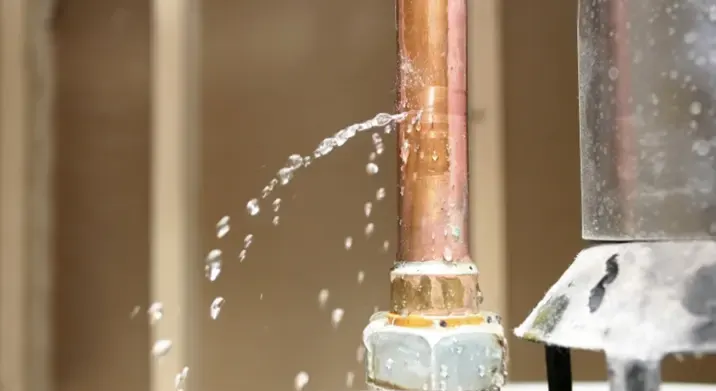
Burst Pipe Water Damage
Split supply pipes traced and extracted, with wall cavities opened only where readings point.
See details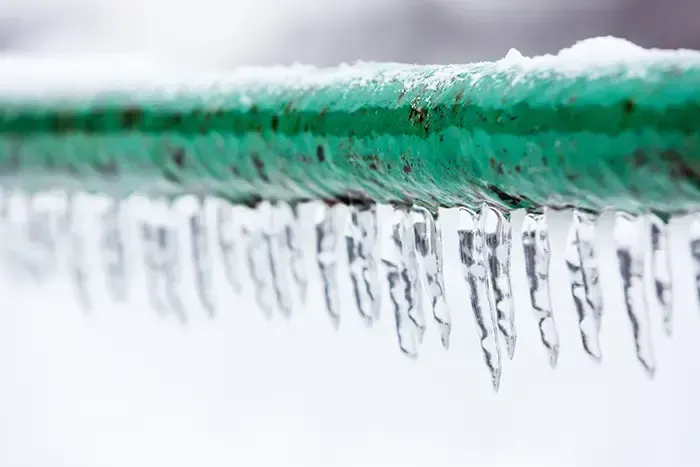
Frozen Pipe Cleanup
Cold-wave splits in exposed pipes found, extracted and dried before plaster and flooring give way.
See details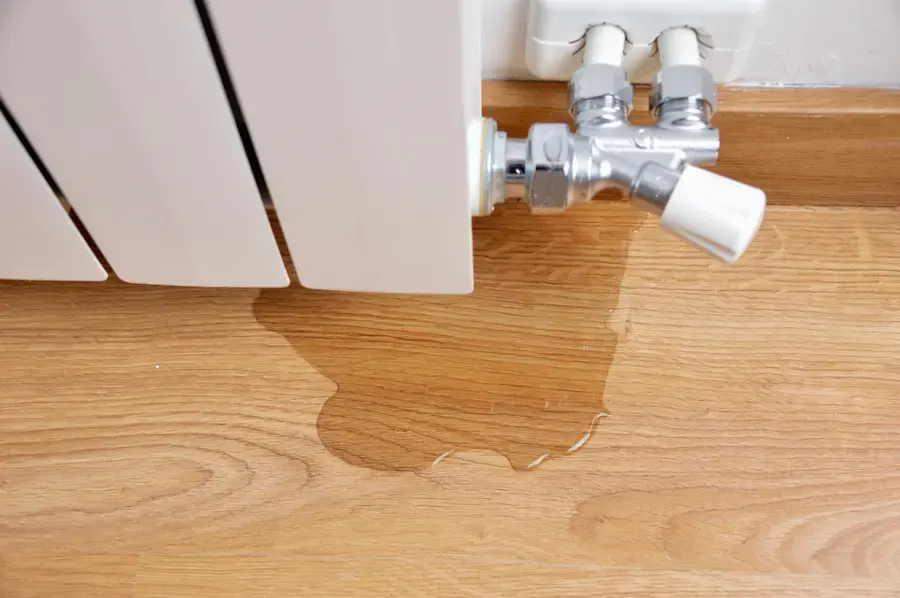
Boiler and Radiator Leak Water Damage
Boiler, radiator valve and heating pipe leaks cleared from floors and the ceilings below.
See details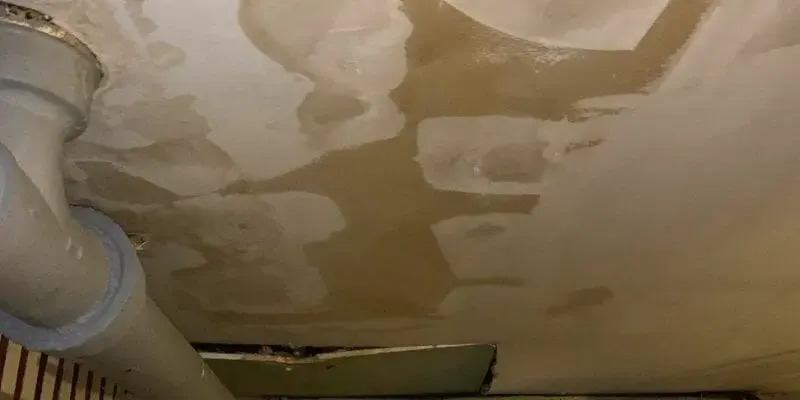
Ceiling Leak Water Damage
Upstairs apartment leaks traced through ceilings, with sagging plaster opened safely and joists dried.
See details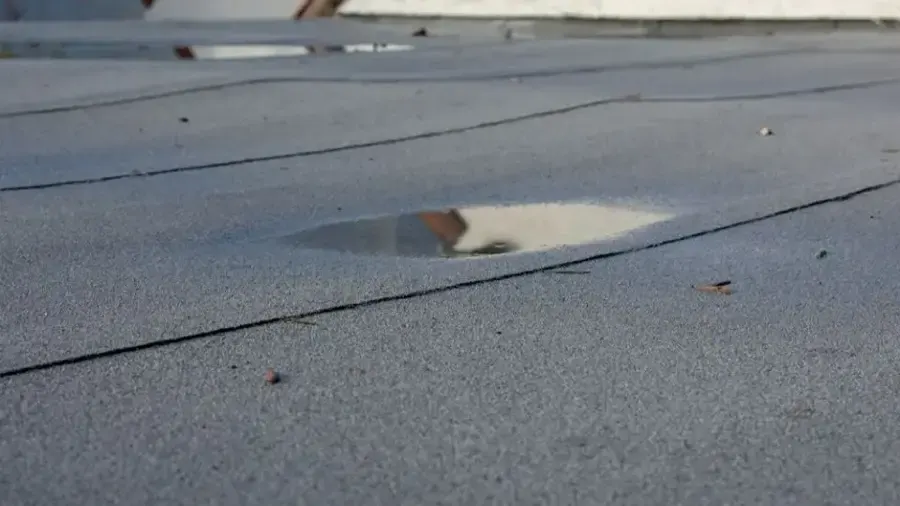
Flat Roof Leak Water Damage
Roof and parapet leaks on multi-family buildings cleared from top-floor ceilings and walls.
See details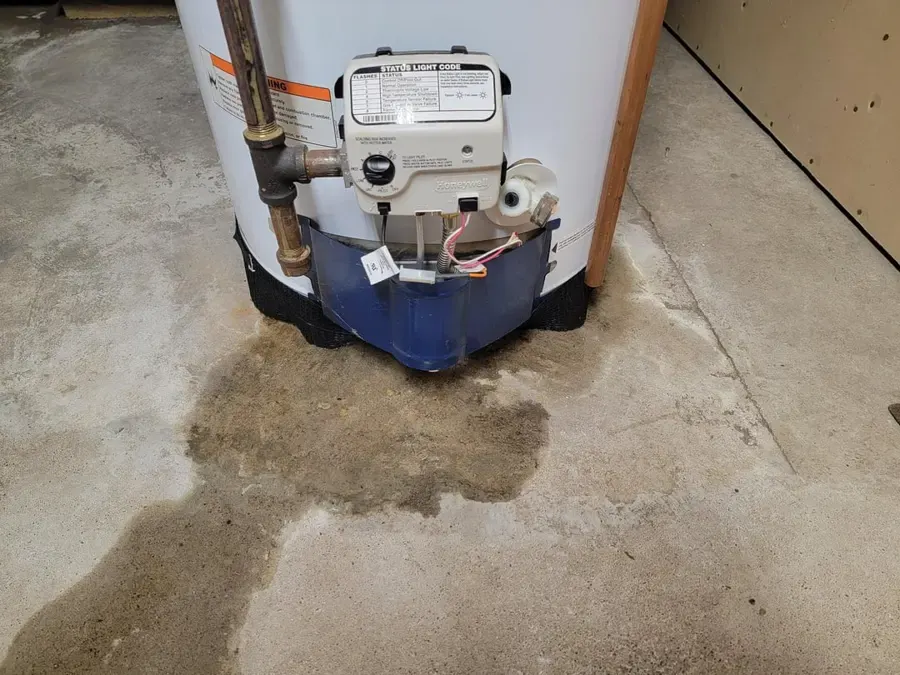
Water Heater Leak Cleanup
Tank failures extracted and the finished rooms and shared walls beside them dried out.
See details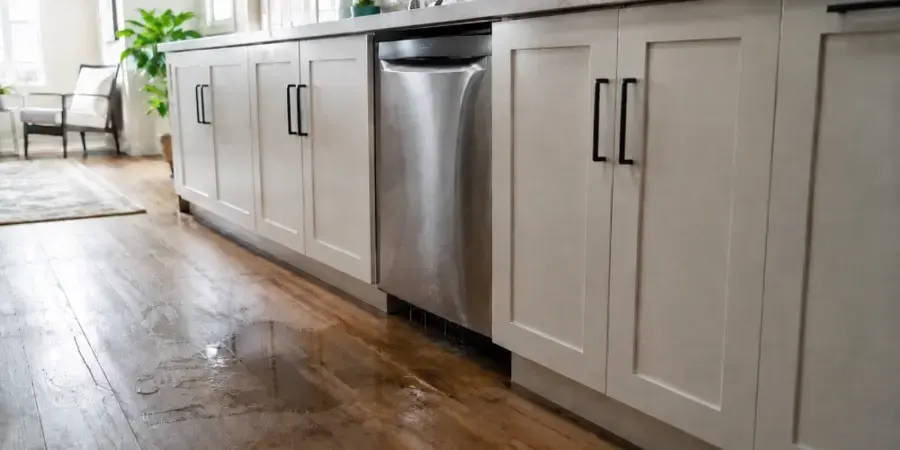
Appliance Leak Water Damage
Washer and dishwasher hose leaks dried under cabinets and out of the unit below.
See details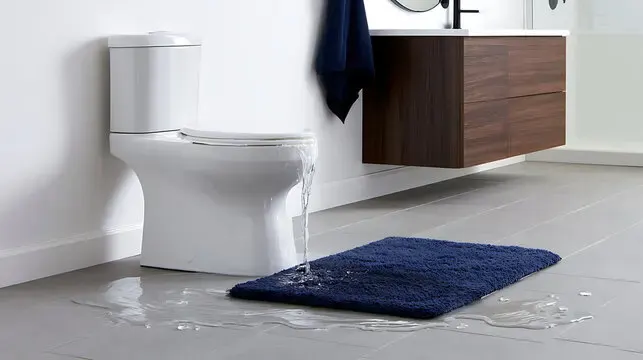
Toilet Overflow Cleanup
Overflowing toilets cleaned up by category, with flooring and the ceiling underneath checked.
See details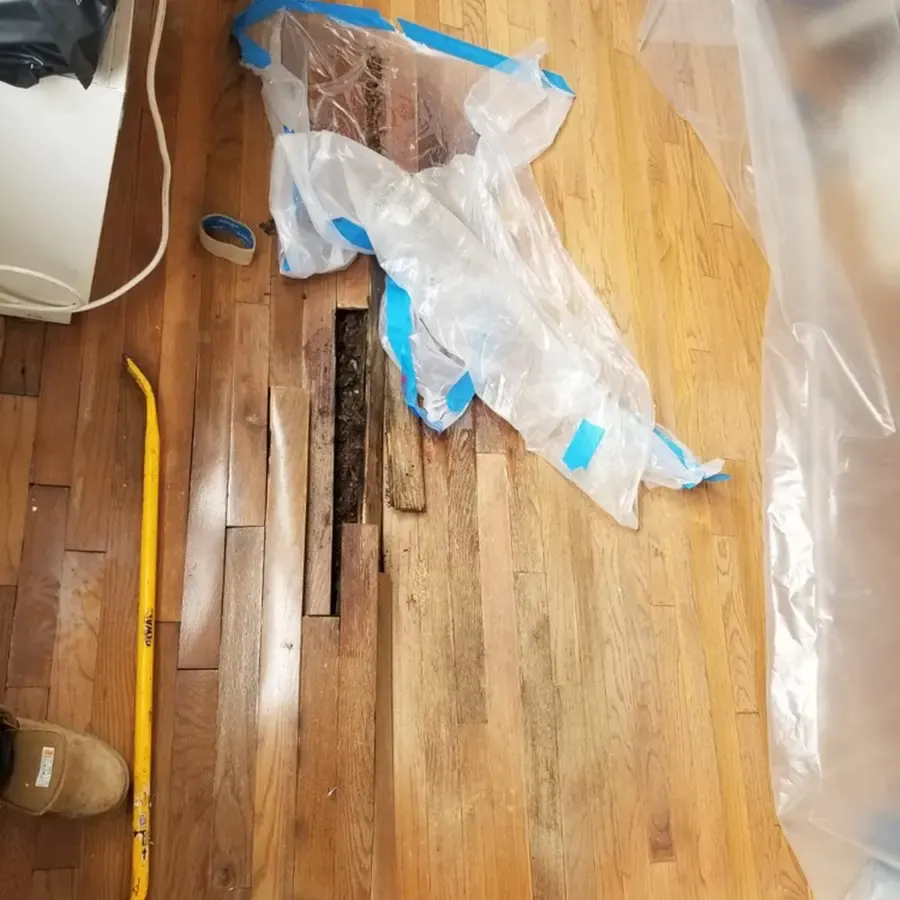
Structural Drying and Dehumidification
Brick, plaster, framing and hardwood dried until readings land 2 to 4 points of dry.
See details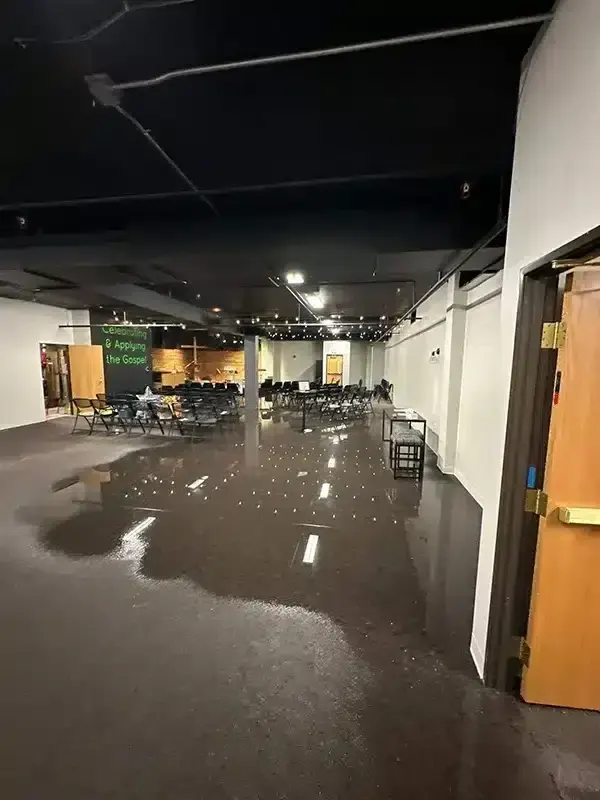
Commercial Water Damage
Roosevelt Avenue storefronts and Corona Plaza area businesses dried in phases so doors can stay open.
See detailsDrying that follows the IICRC S500 standard
Corona blocks are dense, so water often travels through shared walls to the rooms below. Machines run until every wet room tests dry, not until the surface looks it.
- 1
Moisture mapping first
Before any equipment goes down, the tech surveys floors, plaster and framing using moisture meters and an infrared camera, covering rooms beside and below the wet one.
- 2
Extraction
Truck-mounted and portable extractors remove standing water from basement rooms and apartments so it stops spreading into walls.
- 3
Air movers and dehumidifiers
Equipment is matched to each room's class of loss, with desiccant units where brick, plaster or hardwood hold moisture.
- 4
Readings until dry
Each day the drying team records readings, and equipment comes out once materials sit within 2 to 4 points of a dry reference.
What does water damage restoration cost in Corona, NY?
Expect a Corona water damage bill anywhere from $1,200 to $30,000. A tidy clean-water leak in a single apartment is the cheap end; sewage or a flooded basement unit is the expensive end. The water category, wet square feet, materials and how quickly drying began set the number.
Clean leak, one unit
- Single room or two
- Dried where it stands
- Readings logged daily
Basement or full floor
- Wet carpet and pad out
- LGR and desiccant drying
- Claim file photos
Sewer backup or cloudburst
- Category 3 tear-out
- Containment with HEPA filtration
- Longer structural dry-out
Ballpark ranges, not quotes. For a sharper estimate of a specific loss, run the Corona water damage cost calculator or the drying time estimator.
Water damage categories handled in Corona, NY
Category 1: clean water
Clean supply pipe and heating leaks. Caught early, most materials dry where they sit.
Burst pipe water damageCategory 2: gray water
Washer, dishwasher or toilet overflow water without waste. Pad comes out and surfaces are treated.
Toilet overflow cleanupCategory 3: black water
Anything porous that sewage or cloudburst runoff reached comes out rather than being dried.
Sewer backup cleanup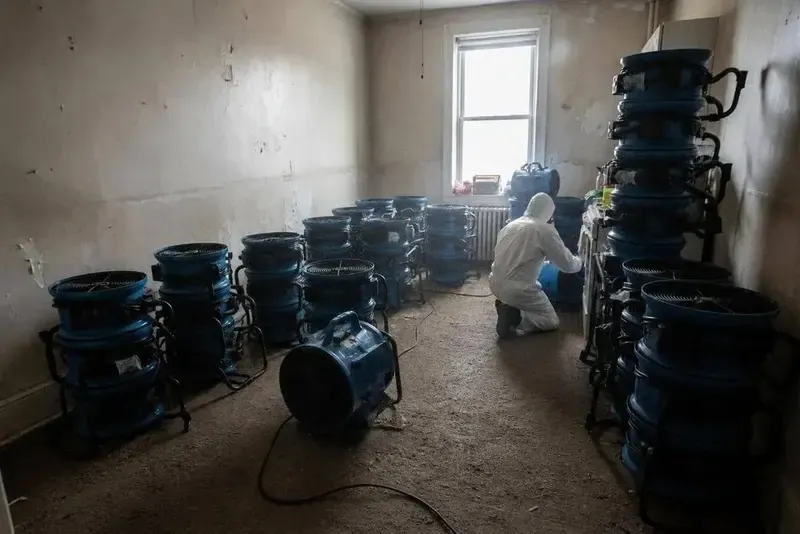
What the Corona restoration crew does after a water loss
In a densely built Corona block, water rarely stays where it starts. It follows baseboards, stair openings and shared walls, so the crew relies on moisture readings, not guesses.
Rapid local response
Crews are dispatched at all hours, and active water in Corona is urgent whatever the time.
Drying by IICRC S500
Framing, subfloor and plaster are dried along with the surface, with equipment sized to each room's class of loss.
Claim-ready documentation
Moisture maps, daily logs and timestamped photos are captured before demolition starts.
Basement housing know-how
Many Corona basements are lived in, so drying plans account for bedrooms, kitchens and bathrooms.
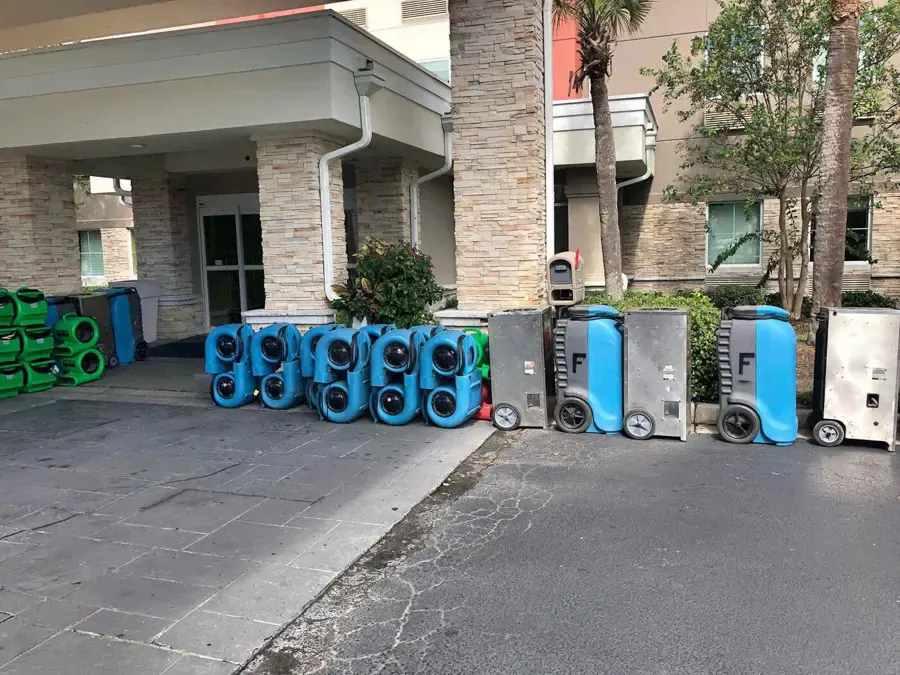
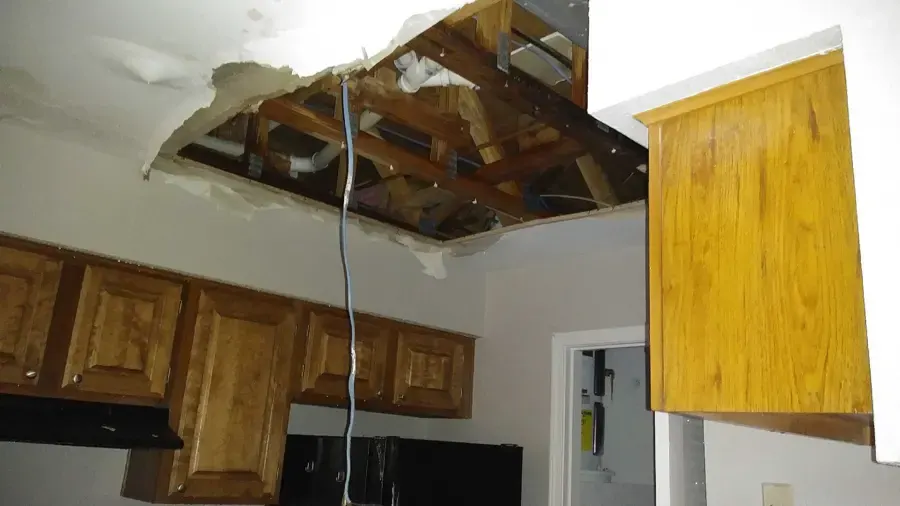
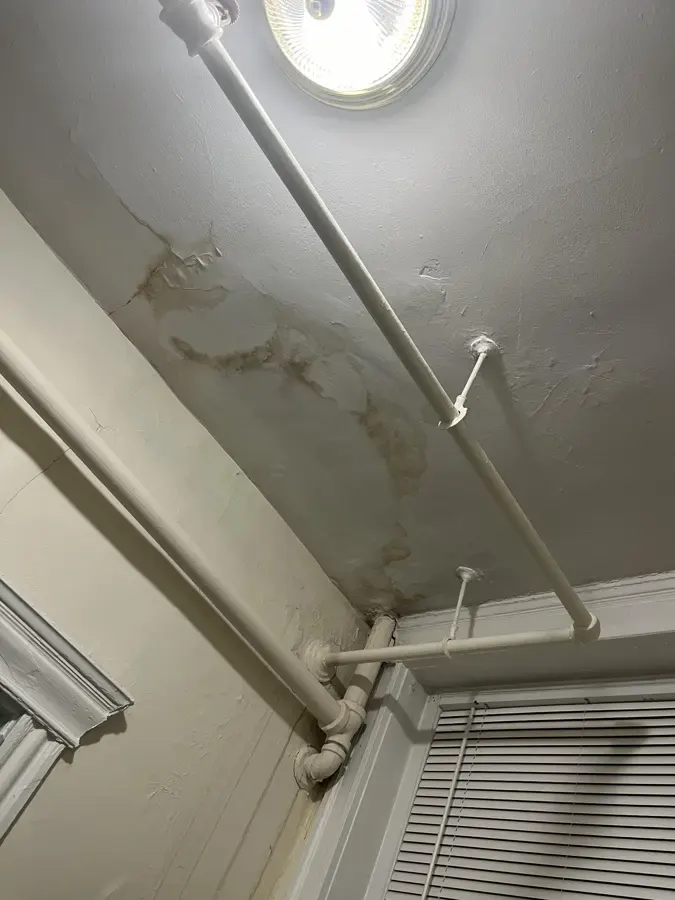
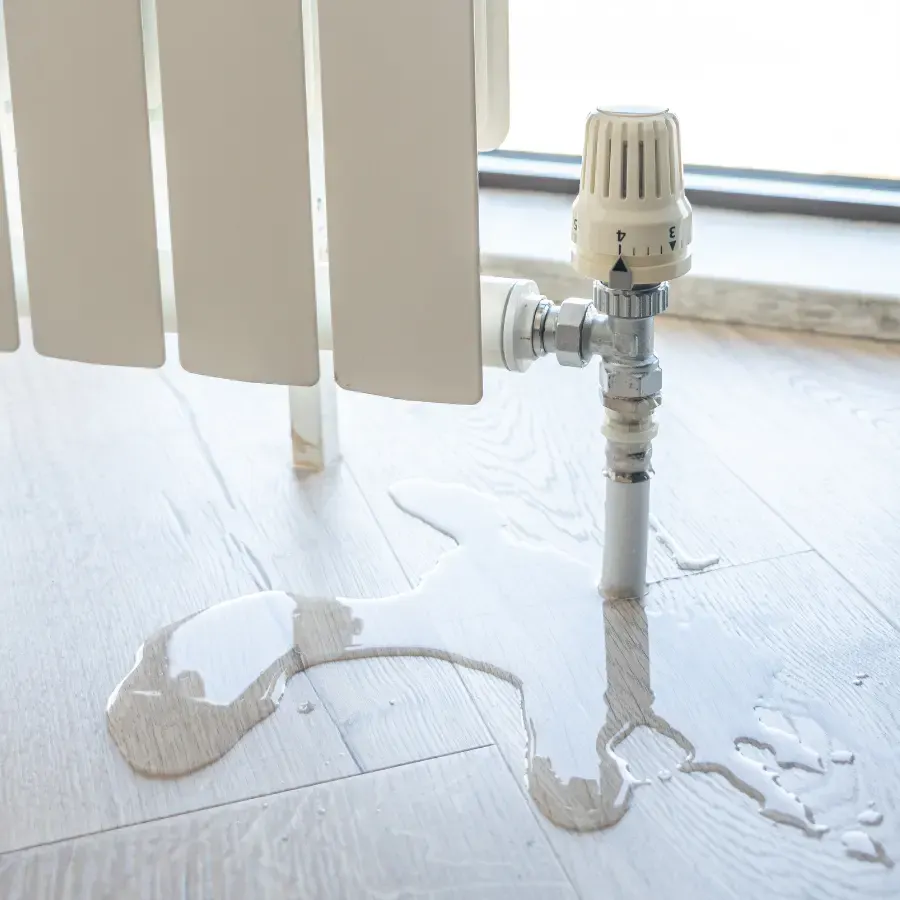
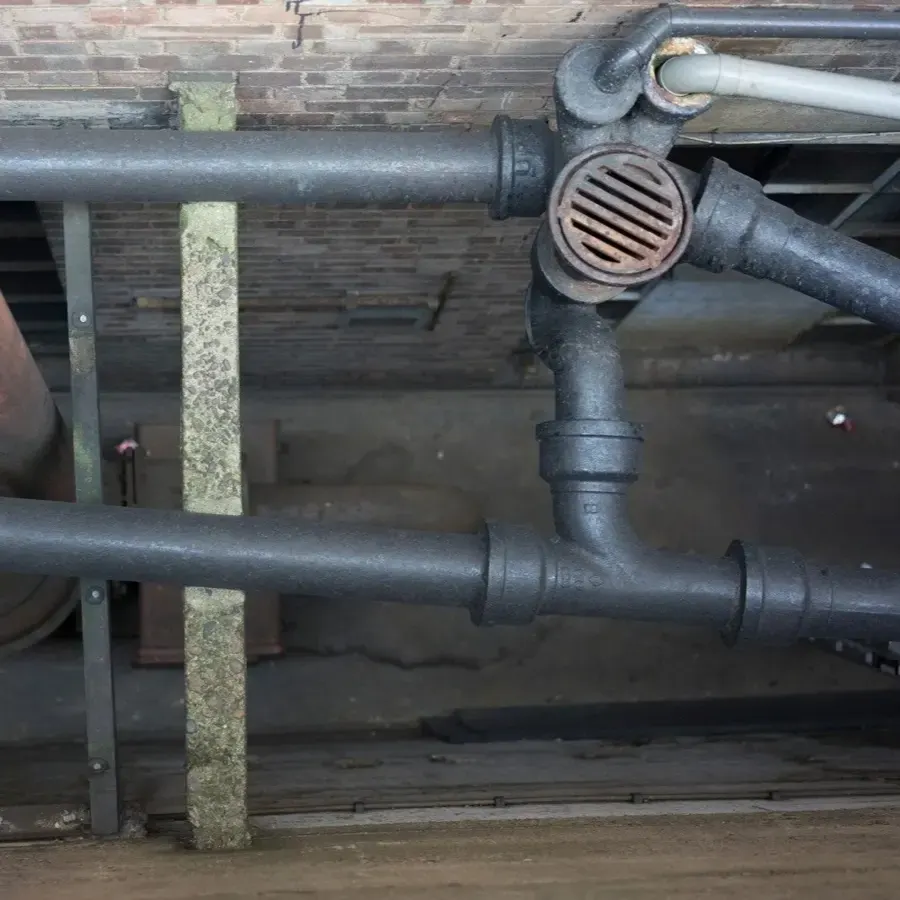
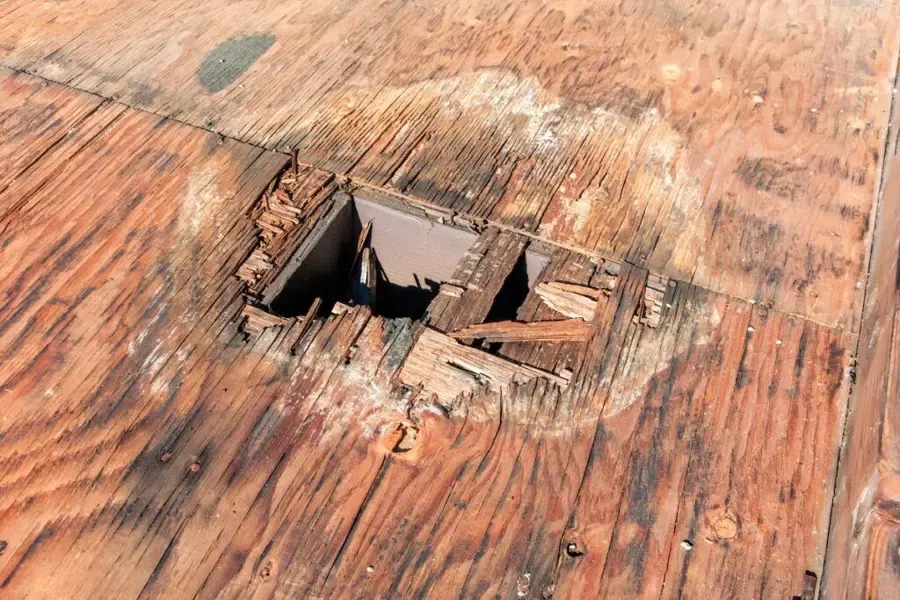
A Corona water damage dry-out in photos
Documentation for your insurance claim
Adjusters decide a water claim on the file, not on the phone call. A complete Corona claim file holds each of these records.
- A moisture map from the first visit showing each wet material
- Daily readings of air and materials until the drying goal is reached
- Timestamped photos from before anything is removed or torn out
- The water category and class, which decide what is dried and what is removed
- A line-item scope in the format adjusters read
Read your own policy
Damage from a sudden pipe burst is typically treated as accidental discharge. Storm water rising from outside falls under flood coverage, while sewage backing up a basement drain often needs its own endorsement.
Renters and owners in multi-family buildings may deal with more than one policy. Coverage depends on your policy, so check with your own insurer.
Corona and Queens water damage service area
Corona streets and areas
ZIP codes
Nearby areas
What puts Corona, NY homes at risk of water damage
Corona is a densely built Queens neighborhood of two-family houses and multi-family buildings, with low ground near Flushing Meadows-Corona Park that was once marsh. DEP named it one of four Cloudburst Hubs.

July 14, 2025: flash flooding hit New York City, with 2.07 inches falling in one hour at Central Park. DEP puts typical sewer capacity at about 1.75 inches an hour.
- Combined sewer: Corona drains to the combined Bowery Bay system with outfalls on Flushing Bay, and DEP says heavy rain often overwhelms it, sending water into buildings.
- Basement housing: Many Corona basements are used as housing, so a flood reaches beds, kitchens and wiring, not just storage.
- Low ground: Parts of Corona near Flushing Meadows-Corona Park are former marsh, and the park itself has flooded in heavy rain.
- Dense buildings: Shared walls and stacked apartments let one leak reach neighbors above and below.
- Cold waves: Nine freezing days in a row at Central Park, ending February 2, 2026, put exposed pipes under strain.
Corona water damage questions, answered
What do I do the moment water starts coming in?
Turn off the water at the fixture valve or the main and keep away from standing water near outlets. Take photos of the waterline and damage, move valuables up high, then call. Mold can start within a day or two.
Why does water come up through a Corona basement drain?
Corona sits on a combined sewer that carries rain and sewage together. DEP says heavy rain often overwhelms it, and the mix looks for the lowest opening, usually a basement floor drain or toilet.
How quickly does help come to Corona?
Crews are dispatched at any hour for ZIP 11368 and the surrounding blocks, and active water is urgent on nights, weekends and holidays.
Who is responsible for the sewer pipe if it backs up?
Under DEP rules the owner must maintain the sewer service pipe running from the building out to the city main under the street. In a rented two-family house, tell the landlord right away.
Can a flooded basement apartment be saved?
Often it can. Clean water caught early may dry in place. After a sewer backup, wet carpet, pad, lower drywall and insulation come out, the room is cleaned and treated, and the framing is dried before any rebuild.
How long does drying take?
It depends on the materials. A clean-water leak in one room of drywall takes three to five days, while masonry, hardwood and flooded basements run longer. Equipment is removed only when readings reach a dry reference.
Is a sewer backup reported to the City?
It can be reported to 311, and DEP inspects within six hours of the complaint. The NYC Comptroller handles claims against the City, and they must be filed within 90 days, so keep photos and drying records together.
Is water damage covered by insurance?
A sudden burst pipe is commonly covered. Rising storm water usually calls for flood coverage, and sewage backing up through a drain often requires an added endorsement. Policies differ, so ask your own insurer what applies.
Do backflow prevention devices help?
The law does not require them for most NYC homes, but DEP says they can help. A plumber can say whether one suits a particular basement.
A leak from the apartment above reached my ceiling. Now what?
Shut off the source first, then get both floors inspected. Moisture moves along joists and framing, and the ceiling underneath may stay damp long after the visible stain stops spreading. Meter readings in each unit settle what dries in place.
Water in a Corona basement? Get the dry-out going.
Waiting only widens the damage, since plaster, pad and subfloor keep soaking up moisture. The extraction crew pulls the water out, then the drying team brings the structure down to a verified reading.