Burst Pipe Water Damage in Corona, NY
Hundreds of gallons can leave a split supply pipe before anyone notices, and in a multi-family Corona building much of it heads for the apartment below. The response team pumps out the water and dries the structure.
(888) 527-9860Burst pipe in Corona? Call now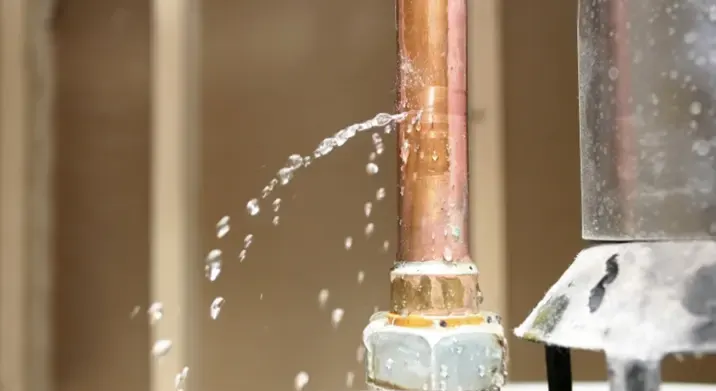
A split supply pipe keeps running until someone reaches the valve, because the pressure never lets up. In Corona's packed two-family and multi-family blocks the water soaks plaster and flooring and then drips into the apartment below, often before the person upstairs has called anyone.
- Moisture mapping comes before any equipment goes down.
- The water category and the class of loss set what is removed and what is dried.
- Equipment stays until readings sit within 2 to 4 points of a dry reference.
What does burst pipe water damage cost in Corona, NY?
A burst pipe in a Corona home generally lands between $1,200 and $20,000 for cleanup and drying, depending on how long water flowed, which rooms and floors were reached, what the walls and floors are made of and how fast drying began.
One room, caught quickly
- Extraction
- Dried in place
- Daily meter checks
Walls and the floor beneath
- Wall cavities opened
- Ceiling beneath dried
- Hardwood inspected
Hours of flow, multiple floors
- Wet plaster and drywall removed
- Several floors dried
- Claim documentation
Ranges are typical, not a quote: category of water, square footage, material class and how fast drying started move the number most. Run the water damage cost calculator for a closer range.
How burst pipe water damage is handled in Corona
The tech who does the walkthrough maps moisture before any equipment goes down, so the drying plan matches what is actually wet. Equipment stays until the readings say dry, not until it looks dry.
- 1
Trace it
An infrared camera and meters follow the water through walls and floors.
- 2
Pump it out
Standing water and soaked carpet are removed from every wet floor.
- 3
Open selectively
Readings, not guesses, decide which cavities are opened.
- 4
Dry and prove it
Machines stay until the readings reach target.
What gives way
Galvanized steel supply pipe, common in prewar New York City buildings, corrodes from the inside, plus cast iron waste stacks that age too. Fittings also loosen where pipe crosses a cold outer wall. A plumber mends the pipe while restoration handles what the water left behind.
- Steel pipe corroded through at a joint.
- Pinholes inside walls, where nobody sees them until a ceiling stains.
- Shutoff valves and sink connectors that have worn out.
Locating hidden moisture
A wet wall can look perfectly normal under paint until the damage is advanced. Pinless meters and an infrared camera trace the wet area, and the crew cuts open just the cavities that call for it, usually small low holes that let warm air in instead of a full demolition. Insulation behind plaster or drywall is checked too, since it holds water long after the surface feels dry.
Plaster over lath releases water slowly, and hardwood cups under it, so equipment and timing follow the materials.
- Moisture traced down to the ceiling and the floor below.
- Wall cavities dried through small openings.
- Boards watched for cupping while they dry.
Dry first, repair second
Rebuilding waits for dry readings, because closing up a wet wall seals moisture in. Winter splits are covered under frozen pipe cleanup, and the equipment phase under structural drying.
When water crossed a shared wall or ceiling, ceiling leak water damage deals with the unit below.
Burst pipe water damage across Corona and nearby areas
Burst pipe calls come from ZIP 11368, including North Corona, Corona Heights, the Roosevelt Avenue corridor and the multi-family blocks around Junction Boulevard.
The same service nearby: burst pipe water damage in East Elmhurst, Jackson Heights, Flushing.
Water damage restoration in Corona · every neighborhood covered
Related water damage services in Corona
Burst Pipe Water Damage questions in Corona, NY
How much water escapes from a split pipe?
Several gallons every minute, which means hundreds of gallons in an hour if nobody closes the valve.
Do walls always have to be opened?
Only where readings show trapped water. Small low holes often let a wall dry without removal, especially after clean water caught early, which is why the crew opens cavities selectively.
Can old plaster be saved?
Often. Plaster on lath releases water more slowly than drywall, but with the right equipment and daily meter checks it can usually be saved.
Will insurance pay for a burst pipe?
Sudden and accidental discharge tends to be covered, while gradual leaks over time often are not. Only the policy wording settles it, and your insurer can confirm it.
How many days until the walls are dry?
Clean water caught early usually dries out in three to five days; plaster, hardwood and multi-floor losses take longer.
Who repairs the pipe?
A plumber does. Restoration pulls out the water, dries the structure and records the damage for the claim.
Water running inside a wall? Call before it drips into the unit below.
The response team pumps out the water, finds the wet spots with an infrared camera and dries until the meters agree.