Flash Flood and Storm Cleanup in Corona, NY
A sudden downpour can outrun Corona's streets and sewers, and DEP counts Corona among its four Cloudburst Hubs. The flood crew handles the water as contaminated, hauls out whatever it reached and dries the building until readings say it is dry.
(888) 527-9860Get the floodwater cleared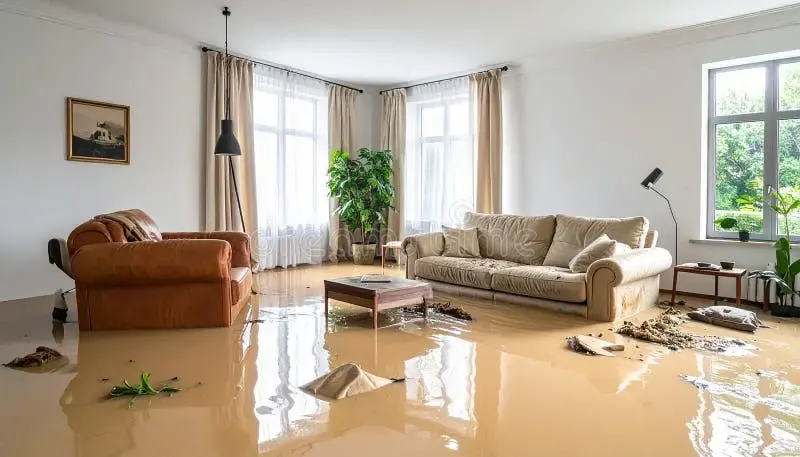
In Corona a flood can arrive three ways at once: street runoff, sewers pushed past capacity and, near Flushing Meadows-Corona Park, low ground that was once marsh. Whatever the water picked up along the way comes into the building with it.
- Moisture mapping comes before any equipment goes down.
- The water category and the class of loss set what is removed and what is dried.
- Equipment stays until readings sit within 2 to 4 points of a dry reference.
What does storm and flash flood cleanup cost in Corona, NY?
Storm flood cleanup in Corona, NY generally runs $2,500 to $40,000, climbing with water depth, the rooms and floors reached, the mud that came in and the delay before cleanup got started.
Shallow water in one area
- Water and mud pulled out
- Antimicrobial treatment
- Drying
Basement or full floor
- Flood cuts and insulation removal
- Belongings relocated
- Desiccant drying
Deep water on several floors
- Whole-floor Category 3 tear-out
- Sealed work zones
- Long structural dry-out
Ranges are typical, not a quote: category of water, square footage, material class and how fast drying started move the number most. Run the water damage cost calculator for a closer range.
How storm and flash flood cleanup is handled in Corona
The tech who does the walkthrough maps moisture before any equipment goes down, so the drying plan matches what is actually wet. Equipment stays until the readings say dry, not until it looks dry.
- 1
Hazard sweep
The crew confirms power is off and checks for structural and electrical dangers.
- 2
Pump and shovel
Floodwater, mud and debris are cleared with pumps, extractors and shovels.
- 3
Remove and treat
Soaked porous materials are hauled away, and the surfaces left are treated.
- 4
Dry out
Equipment stays until walls, floors and framing test dry.
Recent storms and the city's sewers
On September 1, 2021, remnants of Hurricane Ida dumped a record 3.15 inches of rain on New York City in one hour. LaGuardia Airport took 4.87 inches in the September 29, 2023 flooding, and flash flooding returned on July 14, 2025. DEP says the city sewer system can usually handle about 1.75 inches of rain an hour, a limit storms like these can exceed.
- Runoff pouring through basement doors, areaways and window wells.
- Sewer water welling up floor drains while streets are still under water.
- Rain driven sideways into upper floors around window frames and roof edges.
What makes floodwater Category 3
No matter how clear it looks, floodwater is Category 3 because it carries street runoff, soil and often sewage. Crews wear protective gear, strip out the porous materials the water soaked and treat surfaces with an EPA-registered antimicrobial before drying starts. Wet drywall is cut above the waterline, and insulation behind it is pulled.
- Shovels and extractors take out mud and silt before cleaning starts.
- Cleanable contents are moved out of the wet area and logged.
- Readings steer the drying, with desiccant units on brick, block and plaster.
Insurance and the next downpour
Rising surface water is typically excluded from standard homeowners policies and handled by separate flood coverage, so the claim file counts. DEP's cloudburst work relies on sewer pipes, underground storage tanks, trees and rain gardens to ease the load on the sewer system, and DEP presented a design update on the Corona Cloudburst Hub on June 16, 2025.
Water that rose from below falls under basement flooding cleanup and sewer backup cleanup.
Storm and flash flood cleanup across Corona and nearby areas
The flood crew works ZIP 11368, from the blocks near Flushing Meadows-Corona Park through South Corona and North Corona to Roosevelt Avenue.
The same service nearby: storm and flash flood cleanup in East Elmhurst, Jackson Heights, Flushing.
Water damage restoration in Corona · every neighborhood covered
Related water damage services in Corona
Storm and Flash Flood Cleanup questions in Corona, NY
Why is floodwater treated as dirty?
It carries street runoff, soil and often sewage from an overloaded sewer, so crews handle it as Category 3 even when it looks clear.
Why is Corona called a Cloudburst Hub?
DEP picked Corona as one of four Cloudburst Hubs because of dense population, impermeable surfaces and inadequate drainage. A cloudburst is a sudden, heavy downpour.
Does homeowners insurance cover flooding?
Surface flooding is normally excluded from homeowners policies and needs a separate flood policy. Policy language decides, so ask your own insurer which applies.
Where is a flood cut made?
Above the highest mark the water or wicking reached, as found with meters, often 12 inches or more over the waterline.
How many days until a flooded home is dry?
Once the water and wet materials are gone, drying commonly takes five to ten days, and brick, plaster or block can add more.
Should fans start right away?
Not while floodwater residue is present. Contaminated materials leave and surfaces get treated first, which keeps moving air from spreading contamination.
Storm left water inside? Start the muck-out.
The flood crew removes the water and the damaged materials, treats surfaces and dries the structure until readings confirm it.