Storm and Flash Flood Cleanup in Jackson Heights, NY
Rain has overrun Jackson Heights streets and sewers before, and it will again. The flood crew treats the water as contaminated, strips out what it soaked and keeps drying until readings match a dry reference.
(888) 527-9860Start the flood cleanup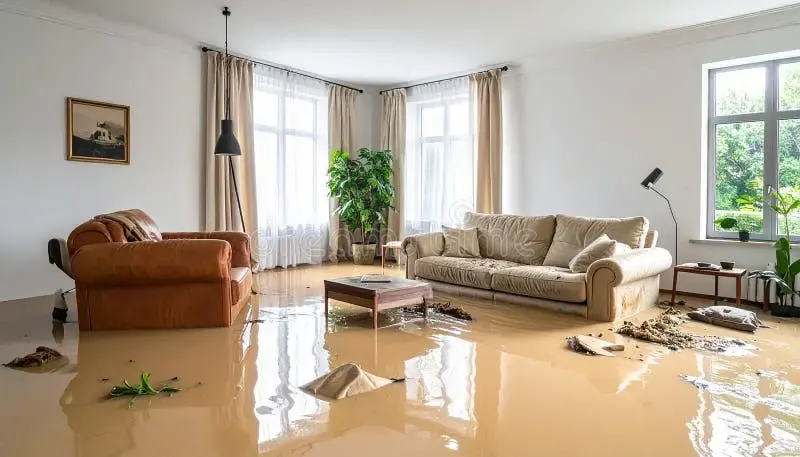
Jackson Heights drains into a combined sewer, so a cloudburst hits a building from two sides at once: runoff from the street and drain water pushed back up from below.
- Moisture mapping comes before any equipment goes down.
- The water category and the class of loss set what is removed and what is dried.
- Equipment stays until readings sit within 2 to 4 points of a dry reference.
What does storm and flash flood cleanup cost in Jackson Heights, NY?
Cleaning up after a storm flood in Jackson Heights usually costs $2,500 to $40,000. Water depth, the rooms and floors reached, the mud brought in and how soon cleanup begins move the total.
Shallow water in one area
- Pump-out and mud removal
- Surface treatment
- Drying
Cellar or a whole floor
- Flood cuts, wet insulation out
- Contents relocated
- Desiccant drying
Deep water, several floors
- Full Category 3 demolition
- Containment
- Long structural drying
Ranges are typical, not a quote: category of water, square footage, material class and how fast drying started move the number most. Run the water damage cost calculator for a closer range.
How storm and flash flood cleanup is handled in Jackson Heights
The tech who does the walkthrough maps moisture before any equipment goes down, so the drying plan matches what is actually wet. Equipment stays until the readings say dry, not until it looks dry.
- 1
Safety first
The crew verifies power is off and looks for structural or electrical hazards.
- 2
Pump and clear
Pumps, extractors and shovels clear water, silt and debris.
- 3
Remove and treat
Porous materials the flood soaked are removed, and what remains is treated.
- 4
Dry to the goal
Drying continues until walls, floors and framing read dry.
Storms the neighborhood remembers
Hurricane Ida's remnants reached New York City on September 1, 2021, and Jackson Heights streets flooded. Heavy rain wet the lobby of the Jackson Heights-Roosevelt Avenue/74th Street subway station on September 29, 2023, and flash flooding struck the city again on July 14, 2025.
- Street runoff finding doors, garages and areaways.
- Drains backing up while the street is still flooded.
- Wind-blown rain entering through roofs, parapets and window frames above.
Why every flood is treated as Category 3
Flood water gathers street runoff, soil and frequently sewage on its way in, so clear-looking water still counts as Category 3. Crew members wear protective gear, remove porous materials the water reached and treat surfaces before any drying equipment starts. Drywall gets a flood cut above the wet line, and wet insulation behind it is removed.
- Silt and debris taken out before washing.
- Salvageable contents moved clear and listed.
- Brick, plaster and block dried with desiccant units when readings call for it.
Sewer limits, coverage and what comes next
DEP puts typical sewer capacity near 1.75 inches of rain per hour, while Ida's rainfall peaked at 3.15 inches in an hour. Ordinary homeowner policies tend to exclude surface flooding, so a separate flood policy is worth asking about. When the water rose from below, see basement flooding cleanup and sewer backup cleanup.
Storm and flash flood cleanup across Jackson Heights and nearby areas
The flood crew works in ZIP 11372, 11370 and 11369, including blocks around 37th Avenue, 82nd Street, Junction Boulevard and Northern Boulevard.
The same service nearby: storm and flash flood cleanup in East Elmhurst, Corona, Astoria.
Water damage restoration in Jackson Heights · every neighborhood covered
Related water damage services in Jackson Heights
Storm and Flash Flood Cleanup questions in Jackson Heights, NY
Is the water from a flood really contaminated?
Yes. Runoff, soil and overloaded sewers all contribute, so crews treat flood water as Category 3 however clear it looks.
Will homeowner coverage pay for flooding?
Surface flooding is usually excluded and needs its own flood coverage. Coverage depends on your policy, so check with your own insurer.
How far above the water line do walls come out?
Past the highest reach of the water or the wicking, set by meters, commonly a foot or more.
What happens to furniture?
Solid wood and metal can often be washed and dried, while soaked upholstery and mattresses are usually discarded.
How many days will drying take?
Five to ten days is common after the water and wet materials are out, with brick, plaster and block running longer.
Can the fans go on right away?
Not over flood residue. Contaminated material goes out and surfaces are treated first, or the fans spread it.
Flooded after a downpour? Start the muck-out now.
The flood crew takes out the water and what it ruined, treats the surfaces and keeps drying until readings confirm it.