Boiler and Radiator Leak Water Damage in College Point, NY
A boiler pushes hot water or steam to radiators on every floor, so a weeping valve can wet a floor for weeks and a failed boiler can flood a basement in minutes. The drying team pulls out the water and dries the wood, plaster and ceiling beneath.
(888) 527-9860Radiator leaking? Call now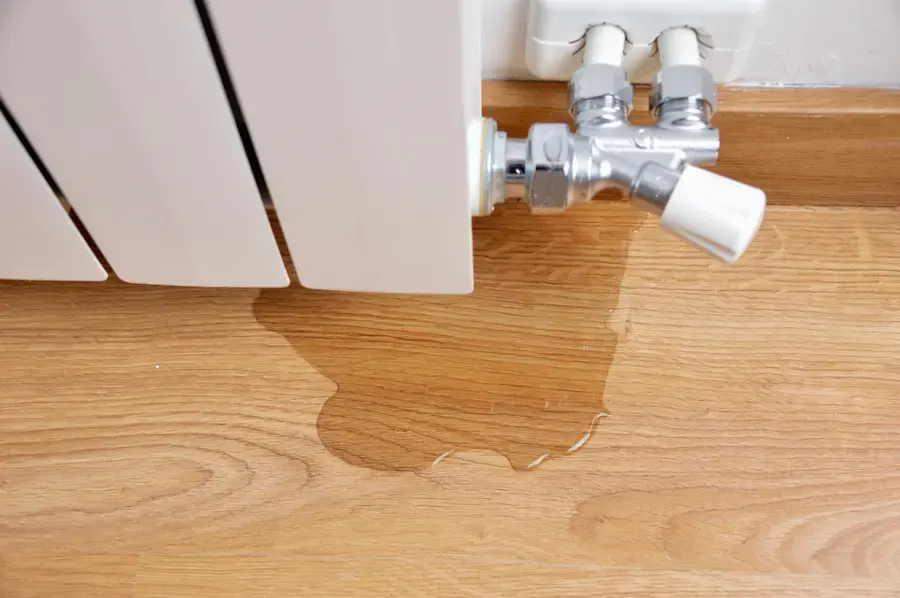
Winter is when a heating system is tested. During the nine-day freeze of early 2026, Central Park stayed below freezing, and stretches like that expose weak valves, vents and joints in any boiler system. When one lets go, the water goes straight into the floor.
- Moisture mapping comes before any equipment goes down.
- The water category and the class of loss set what is removed and what is dried.
- Equipment stays until readings sit within 2 to 4 points of a dry reference.
What does boiler and radiator leak water damage cost in College Point, NY?
Heating leak cleanup in College Point, NY generally costs $900 to $15,000. The result depends on how long the leak ran, whether wood floors and the ceiling below were soaked and whether a boiler failure flooded the basement.
Single weeping radiator
- Water extraction
- Hardwood drying
- Daily moisture checks
Floor and the ceiling under it
- Subfloor drying
- Ceiling opened if needed
- Cupping monitored
Boiler dumped its water
- Basement pump-out
- Walls and stored items dried
- Claim records
Ranges are typical, not a quote: category of water, square footage, material class and how fast drying started move the number most. Run the water damage cost calculator for a closer range.
How boiler and radiator leak water damage is handled in College Point
The tech who does the walkthrough maps moisture before any equipment goes down, so the drying plan matches what is actually wet. Equipment stays until the readings say dry, not until it looks dry.
- 1
Trace the water
Meters follow it beneath the floor and up into the ceiling below.
- 2
Remove it
Water is lifted from floors, carpet and the basement.
- 3
Stage the drying
Equipment is chosen for hardwood, plaster and a damp basement.
- 4
Prove it is dry
Readings decide when equipment leaves and repairs begin.
Slow drips and sudden failures
The two kinds of heating leak do different damage. A radiator that weeps at its valve soaks floorboards for weeks, and the first sign is often a stain on the ceiling below. A boiler or relief valve that fails sends a flood across the basement floor within minutes.
- Valves and packing nuts that drip every time the system cycles.
- Radiators and steam vents that crack, corrode or stick open.
- The boiler, its relief valve and the pipes beside it.
How wood floors and ceilings are dried
Boards over a leak swell and cup. Meters track the wood and the subfloor underneath, and drying is paced so the boards can ease flat instead of splitting. Heating water can hold rust and treatment chemicals, so if it has sat for a while it is handled as Category 2 rather than clean water.
Plaster ceilings below get the same care: they are opened only where readings show trapped water, and the framing above is dried from underneath.
- Floor drying mats pull moisture up through hardwood.
- Boards, subfloor and the ceiling below are read every day.
- The basement slab and walls are dried after a boiler dumps its water.
Fixing the system, then the damage
The heating contractor repairs the leak, and the drying team documents and dries everything it wet. A check of valves and vents before the heating season catches many small leaks first.
Water that reached the room below is covered in ceiling leak water damage, and floor drying in structural drying.
Boiler and radiator leak water damage across College Point and nearby areas
Crews work across ZIP 11356, including College Point Boulevard, 14th Avenue, 20th Avenue, College Estates and the Cape Cod blocks of Allied Homes.
The same service nearby: boiler and radiator leak water damage in East Elmhurst, Flushing, Jackson Heights.
Water damage restoration in College Point · every neighborhood covered
Related water damage services in College Point
Boiler and Radiator Leak Water Damage questions in College Point, NY
Where does a radiator usually leak?
Most often at the valve, where the packing around the stem wears out, or at a vent. Old cast iron can also crack or corrode through.
Can warped hardwood flatten again?
Often, when drying starts quickly and runs gently. Boards soaked for days are more likely to need replacing.
Is boiler water dirty?
It can contain rust, sludge and treatment chemicals, so water that has stood a while is usually handled as Category 2.
Will insurance pay for a radiator leak?
A sudden leak is often covered; one that seeped for months may not be. Coverage depends on your policy, so check with your own insurer.
How long until the floor is dry?
Typically three to six days, longer when hardwood, plaster or a flooded basement is involved.
Who repairs the boiler?
A heating contractor. The drying team handles extraction, drying and records.
Leaking radiator? Get the floor dry before it warps.
The drying team removes the water and dries wood floors, subfloor and the ceiling below until readings are verified.