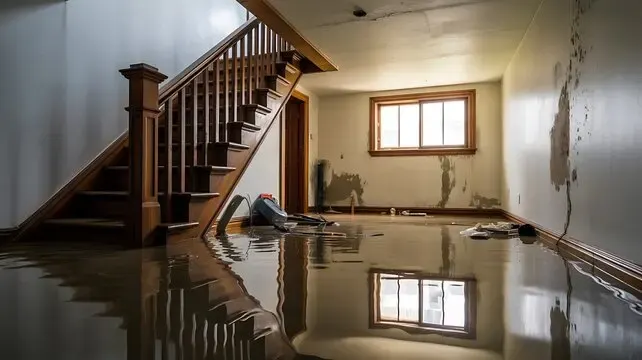
In Corona, a sudden heavy downpour can turn a below-grade apartment into a pool within a few minutes of the drains backing up. The people inside, and the owner upstairs, face the same questions at the same moment.
Key takeaways
- Get everyone out of a flooding basement apartment first. Water can reach outlets and the electrical panel quickly, and floodwater can rise faster than it looks.
- Corona sits on low ground that was marsh, and heavy rain often overwhelms the sewers, so water can arrive through drains as well as through doors and windows.
- Treat water from drains, toilets and the street as contaminated until a professional says otherwise.
- Tenants and owners both gain from early photographs, dated notes and a call to 311.
- DEP chose Corona as one of four Cloudburst Hubs because of dense population, hard surfaces and inadequate drainage.
Why Corona basements take on water
Many parts of Corona, especially near Flushing Meadows-Corona Park, are low-lying former marshland. The neighborhood once had three kettle ponds, Linden Pond, Shady Lake and Backus Lake, all since drained or removed.
The ground still remembers that. City as Living Laboratory describes Corona's low-lying topography as highly vulnerable to cloudbursts.
- Corona's sewers are part of the combined sewer system, with outfalls on Flushing Bay.
- Heavy rains often overwhelm the sewer system, leading to street flooding and water entering buildings.
- Blocks are densely built, with a lot of pavement and little ground to absorb rain.
What a cloudburst does to a below-grade unit
A cloudburst is a sudden, heavy downpour. DEP says the city sewer system typically handles about 1.75 inches of rain an hour, and the remnants of Hurricane Ida delivered a record 3.15 inches in one hour on September 1, 2021.
When rain falls faster than the sewer can take it, the water has to go somewhere. In a basement apartment that can mean a floor drain, a bathtub, a toilet, a window well or the door.
Water that comes from the street
Street water carries dirt, oil and debris. It enters through doors, vents and windows at ground level, and it is contaminated by what it crossed.
Water that comes up from the drains
Water that rises through a drain or toilet came out of the sewer side. It is treated as Category 3, the most contaminated, and cleanup starts with that in mind.
The first steps for the people inside
Safety first. A flooded basement apartment is dangerous because there are few ways out and the water keeps rising.
- Leave the unit and go upstairs or outside before the water is deep.
- Do not return for belongings while water is rising.
- Keep children and pets out of the water.
- Stay away from the electrical panel and outlets if water is near them.
- Call the building owner or superintendent as soon as it is safe to do so.
- Call 311 to report the flooding and the sewer backup.
What the owner and the tenant each document
Many Corona basements are used as housing, so a flood often involves a tenant below and an owner above. Clear records protect both.
Photographs taken before anything is moved are the most useful record. Dated notes that say when the water appeared and what was damaged fill in the rest.
- Tenants: photograph belongings, furniture and the water depth; keep a list with approximate values.
- Owners: photograph the walls, floor, boiler or heater and the utility area; save contractor and plumbing receipts.
- Both: keep copies of messages between tenant and owner about the flood.
- Both: write down the 311 report number.
How the cleanup is staged
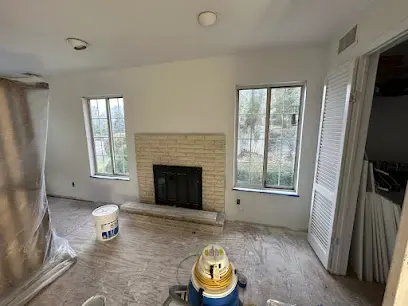
Once the unit is safe to enter, the restoration team follows an order. The aim is to stop the damage from spreading into the rest of the building.
Extraction and removal
Extraction equipment pulls the standing water. Materials that soaked up contaminated water, such as carpet, pad, insulation and the bottom of drywall, are judged for removal.
Cleaning and drying
Hard surfaces are cleaned and treated. Dehumidifiers and air movers then dry the structure, with moisture readings showing when the wall framing and slab reach their targets.
- Readings are taken in drywall, wood and concrete.
- Equipment stays until the numbers say the structure is dry.
- The owner gets documentation for the insurance file.
Corona and the city's cloudburst plan
In January 2023 the Mayor and DEP announced four initial Cloudburst Hubs, including Corona. DEP selected Corona because of its dense population, impermeable surfaces and inadequate drainage.
DEP's cloudburst management uses sewer pipes, underground storage tanks, trees and rain gardens to reduce strain on the sewer system. DEP held a 60 percent design community update on the Corona Cloudburst Hub on June 16, 2025.
A plan is not a flood barrier today, so each building still has to prepare for the next downpour.
- Keep window wells and exterior drains clear.
- Store belongings in plastic bins off the floor.
- Ask a plumber whether a backflow device suits the building's sewer pipe.
What to move and what to leave alone
Once the people are out of danger, belongings come next. The rule is to move what is easy to lift and leave what would mean wading through dirty water.
Heavy items and anything near water at the panel or outlets should stay put until a crew has checked the room.
- Lift documents, medications and electronics to a high shelf or an upper floor.
- Leave refrigerators, washers and large furniture where they stand.
- Photograph each item before it moves, with the water level visible.
- Keep a written list of what was damaged, with the date.
Where to go for help
A restoration team handles extraction, removal and drying in a below-grade unit, and it documents each step for the file. See basement flooding cleanup in Corona and storm and flash flood cleanup in Corona.
The Corona town page has the neighborhood overview, and the main page for basement flooding cleanup explains the general process.
Questions
Should I stay in the apartment while the water rises?
No. Leave for higher ground. A basement unit can fill quickly, and the water may reach electrical equipment.
Is the water in a Corona basement contaminated?
Assume so. Water that comes through drains or from the street is treated as contaminated until the restoration team says otherwise.
Who is responsible for cleaning a flooded basement apartment?
That depends on the lease, the cause and the insurance policies involved. Photographs and dated notes help both tenant and owner sort it out.
Does the Corona Cloudburst Hub mean flooding is solved?
No. DEP is still in the design stage, with a 60 percent community update on June 16, 2025. Buildings still need their own protection against the next heavy rain.
How soon can a drying crew start?
As soon as the unit is safe and the standing water can be removed. Starting early limits how deeply moisture soaks into walls and floors.